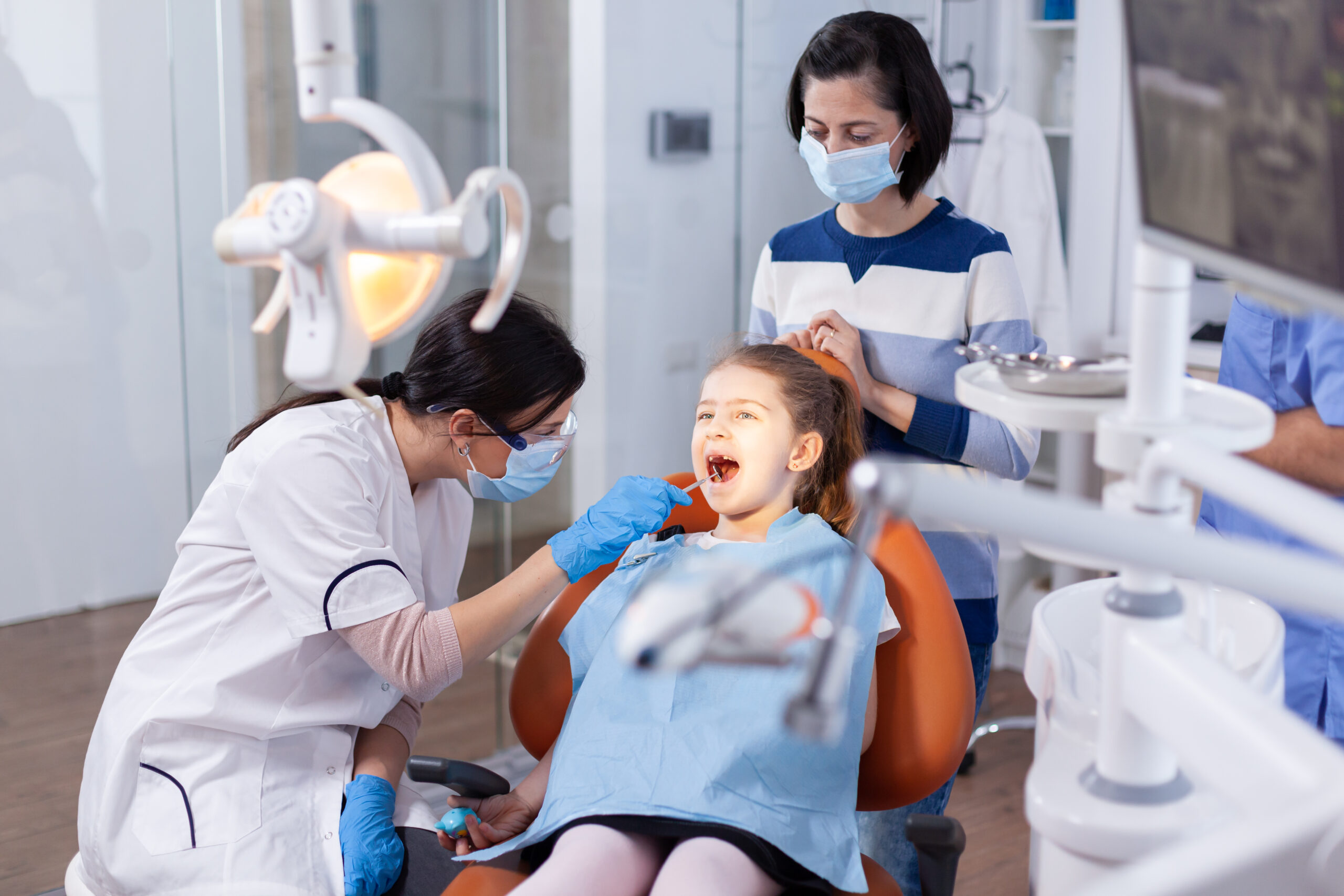
Parents always want the best for their children’s health, but dental care is often ignored until problems like tooth pain or cavities appear. Healthy baby teeth are essential for proper chewing, speech development, and guiding permanent teeth into the right position. That’s why pediatric dentistry plays a crucial role in protecting your child’s oral health from an early age. Pediatric dentists focus on preventive care, early detection of dental issues, and teaching healthy oral hygiene habits in a child-friendly environment. Regular pediatric dental checkups help prevent future problems, reduce dental anxiety, and support strong, healthy smiles that last a lifetime.
Understanding Pediatric Dentistry
Pediatric dentistry is a specialized branch of dental care focused entirely on children’s oral health, from infancy through adolescence. Unlike general dentistry, pediatric dentistry is designed around the emotional, physical, and developmental needs of children. Pediatric dentists receive additional training that helps them understand child psychology, tooth development, and behavior management techniques. This specialized knowledge allows them to treat children gently while creating a comfortable and reassuring environment.
Parents often wonder if pediatric dental visits are truly necessary when children still have baby teeth. The answer is yes. Baby teeth play a critical role in chewing, speech development, and guiding permanent teeth into position. Losing them too early because of decay can create spacing problems, bite issues, and speech difficulties. Pediatric dentistry focuses on preventing these complications before they become serious.
One of the biggest advantages of pediatric dental care is its preventive approach. Instead of waiting for pain or infection to appear, pediatric dentists work proactively. They educate parents, teach children healthy oral habits, and detect problems early. Think of pediatric dentistry like routine maintenance for a car. Regular care prevents expensive repairs and keeps everything running smoothly over the long term.
Why Early Dental Care Matters
Many parents delay their child’s first dental visit because they believe dental care can wait until permanent teeth appear. Unfortunately, that misconception often leads to preventable dental issues. Experts recommend scheduling a child’s first dental visit by their first birthday or within six months after the first tooth erupts. Early visits help pediatric dentists monitor oral development and guide parents on proper care techniques.
Baby teeth may eventually fall out, but they are extremely important during childhood. They help children eat comfortably, pronounce words correctly, and maintain proper spacing for permanent teeth. When baby teeth become damaged by decay or infection, children may experience pain, trouble eating, difficulty sleeping, and even reduced confidence. Research shows that untreated dental problems can also affect school attendance and concentration.
One of the most common childhood dental problems is Early Childhood Caries (ECC), often referred to as severe tooth decay in young children. Studies estimate that nearly half of preschool-aged children globally experience some form of early childhood cavities. Sugary drinks, poor brushing habits, and infrequent dental visits are major contributors to this issue. The problem is that cavities in children can progress quickly because baby teeth have thinner enamel than adult teeth.
Early dental care also helps identify habits that may affect oral development, such as thumb-sucking, prolonged pacifier use, or teeth grinding. Pediatric dentists can intervene early before these habits cause alignment or bite problems. Catching issues at the beginning is always easier and less expensive than correcting them years later. In many ways, pediatric dental care acts like an early warning system that protects a child’s oral health before serious complications develop.
Preventive Services Offered by Pediatric Dentists
Preventive care is the heart of pediatric dentistry. Rather than focusing only on treatment, pediatric dentists aim to stop dental problems before they begin. This approach helps children maintain healthier teeth while reducing the need for painful or expensive procedures later on. Preventive services also save parents time, stress, and money over the long term.
One of the most important preventive services is the regular dental checkup. During these visits, pediatric dentists examine teeth, gums, jaw growth, and oral hygiene habits. Professional cleanings remove plaque buildup that brushing alone may miss. These appointments also allow dentists to identify tiny cavities before they grow into painful infections. Routine checkups every six months are commonly recommended for maintaining healthy oral development.
Fluoride treatments are another valuable preventive measure. Fluoride strengthens tooth enamel and makes teeth more resistant to decay. Pediatric dentists often apply fluoride varnish during appointments, especially for children who are more prone to cavities. Dental sealants are equally effective. Sealants are thin protective coatings placed on the chewing surfaces of molars where food particles and bacteria easily collect. Studies show sealants can significantly reduce cavity risk in children.
Pediatric dentists also carefully monitor how permanent teeth emerge and how the jaw develops over time. Small alignment issues identified early may prevent more complicated orthodontic treatment later. It’s similar to straightening a small tree branch before it grows crooked. Early monitoring provides opportunities to guide development naturally and effectively.
Another overlooked benefit of preventive pediatric dentistry is parent education. Dentists teach families about proper brushing techniques, healthy eating habits, and cavity prevention strategies tailored specifically for children. This education empowers parents to take an active role in protecting their child’s oral health at home every single day.
Early Detection of Dental Problems
One of the greatest strengths of pediatric dentistry is early detection. Children’s dental issues often develop silently before obvious symptoms appear. By the time pain becomes noticeable, the problem may already require extensive treatment. Regular pediatric dental visits help catch these issues in their earliest stages when they are easier and less costly to manage.
Cavities are a perfect example. Tiny areas of decay may not cause discomfort initially, but they can spread rapidly through baby teeth. Pediatric dentists use examinations and digital imaging to identify weak spots before they turn into major infections. Treating small cavities early can often prevent root canal procedures, extractions, or emergency dental visits later.
Pediatric dentists also monitor bite alignment and jaw development. Crooked teeth, overcrowding, or bite irregularities are easier to address during childhood because the jaw is still developing. Early intervention may reduce the need for extensive orthodontic treatment during adolescence. Think of it like correcting a path while walking instead of trying to change direction after reaching the wrong destination.
Children sometimes experience dental injuries from sports, playground activities, or accidental falls. Pediatric dentists are trained to handle these situations quickly and carefully. Immediate treatment can save damaged teeth and prevent long-term complications. Recent pediatric oral health research emphasizes that preventive monitoring dramatically improves oral health outcomes in children.
Teaching Healthy Oral Hygiene Habits
Good oral health begins at home, and pediatric dentists play a huge role in teaching children healthy habits they can follow for life. Kids learn best when instructions are simple, encouraging, and interactive. Pediatric dentists know how to explain brushing and flossing in ways children actually understand rather than fear or ignore.
Brushing techniques vary depending on a child’s age. Toddlers need supervised brushing with a tiny amount of fluoride toothpaste, while older children gradually learn independence. Pediatric dentists demonstrate proper brushing motions and explain how long children should brush. They often use visual tools, colorful models, or playful techniques to make learning enjoyable. When children view oral care positively, they are more likely to continue healthy routines consistently.
Flossing education is equally important because food particles often hide between teeth where toothbrushes cannot reach. Many parents assume flossing is only necessary for adults, but pediatric dentists encourage children to begin flossing as soon as teeth start touching. These early habits create a stronger foundation for lifelong dental health.
Nutrition counseling is another major part of pediatric dentistry. Sugary snacks, juices, sodas, and sticky candies contribute heavily to childhood cavities. Pediatric dentists educate parents about healthier food choices that support stronger teeth. Crunchy fruits, vegetables, dairy products, and water are all encouraged as tooth-friendly alternatives.
Children also learn through observation. When parents prioritize oral hygiene and attend regular dental visits themselves, children naturally follow those behaviors. Pediatric dentists often encourage family-based routines where parents and children brush together. This transforms oral care from a chore into a shared healthy habit. Research consistently shows that parental involvement significantly improves children’s oral health outcomes.
Reducing Fear and Dental Anxiety
Dental anxiety is surprisingly common among children. In fact, studies suggest that many adults who fear dental treatment developed those fears during childhood because of negative experiences. Pediatric dentistry aims to break that cycle early by creating positive, stress-free dental visits that help children feel safe and comfortable.
Pediatric dental clinics are specifically designed to feel welcoming rather than intimidating. Bright colors, toys, cartoons, and friendly staff help children relax from the moment they enter the clinic. Pediatric dentists also use child-friendly language instead of complicated medical terms. Instead of saying “injection” or “drill,” they may use gentler descriptions that sound less frightening to young patients.
Behavior management techniques are another important part of pediatric dentistry. Pediatric dentists understand that every child responds differently to dental treatment. Some children need extra reassurance, while others benefit from distraction techniques or gradual introductions to dental tools. The goal is always to build trust and confidence.
Positive early dental experiences have lasting effects. When children associate dental visits with encouragement and comfort rather than pain, they become more cooperative patients as they grow older. This reduces anxiety during future appointments and increases the likelihood of maintaining regular dental care into adulthood.
Parents also play a major role in shaping a child’s perception of the dentist. Pediatric dentists often advise parents to avoid using scary language or threatening children with dental visits as punishment. Instead, dental care should be presented as a normal and positive part of staying healthy. Many clinics, including professional providers such as Dental Fit Clinic, focus heavily on creating child-friendly environments that help reduce fear and encourage healthy lifelong dental habits.
The Role of Parents in Children’s Oral Health
Pediatric dentists provide professional care, but parents are the real day-to-day guardians of a child’s oral health. Healthy habits formed at home have a tremendous impact on whether children develop strong teeth or experience repeated dental problems. The partnership between parents and pediatric dentists is one of the most important factors in successful preventive dental care.
Daily brushing routines should begin as early as infancy. Parents should clean babies’ gums gently before teeth even appear and transition to soft toothbrushes once teeth erupt. Supervision remains important for younger children because many lack the coordination needed to brush effectively on their own. Pediatric dentists often recommend helping children brush until around age seven or eight.
Diet choices matter just as much as brushing. Frequent sugary snacks expose teeth to acid attacks throughout the day, increasing cavity risk. Parents can reduce this risk by limiting sweets, encouraging water instead of sugary drinks, and offering healthier snacks. Small changes in daily routines often produce significant improvements in oral health over time.
Regular dental visits are equally important. Waiting until a child experiences pain usually means the issue has already progressed. Routine checkups help maintain healthy teeth while identifying small problems before they worsen. Pediatric dentists can also monitor developmental changes and provide customized advice as children grow.
Parents should also watch for warning signs between appointments. Persistent bad breath, tooth sensitivity, difficulty chewing, swollen gums, or visible discoloration may indicate underlying issues. Seeking professional advice early prevents complications and keeps treatment simpler.
Children learn habits from their environment. When parents treat oral care as an essential part of overall health rather than an occasional task, children are more likely to carry those habits into adulthood. Consistency, encouragement, and positive reinforcement make an enormous difference in protecting children’s smiles for years to come.
Choosing the Right Pediatric Dental Clinic
Choosing the right pediatric dental clinic can feel overwhelming for many parents. There are countless options available, but not every clinic specializes in treating children. Finding a pediatric dentist who combines expertise with compassion is essential for creating a positive experience and ensuring quality care.
A child-friendly environment is often one of the first signs of a good pediatric clinic. Waiting areas designed for children, friendly staff members, and a welcoming atmosphere help reduce fear before treatment even begins. Pediatric dentists should communicate patiently with both children and parents, explaining procedures in a calm and understandable way.
Experience and qualifications are equally important. Pediatric dentists receive additional training focused specifically on children’s oral development and behavior management. This specialized knowledge allows them to identify issues that may be missed in general dental care settings. Parents should also look for clinics that emphasize preventive care and education rather than focusing only on treatment. Cleanliness, modern equipment, and transparent communication are additional qualities worth considering. A trustworthy pediatric dentist will take time to answer questions, discuss treatment options, and educate parents about preventive strategies. They understand that informed parents make better decisions for their children’s oral health.
Recommendations from other parents can also be valuable when selecting a clinic. Online reviews often provide insight into how children are treated and whether the clinic successfully creates positive experiences. Professional clinics such as Dental Fit Clinic are examples of providers that emphasize child-focused dental care, preventive treatment, and patient comfort.
Ultimately, the right pediatric dental clinic should feel like a supportive partner in your child’s health journey. When children trust their dentist and parents feel informed and confident, maintaining oral health becomes much easier and far less stressful.
Conclusion
Pediatric dentistry is essential for protecting your child’s teeth and building lifelong oral health habits. Regular dental checkups, fluoride treatments, and preventive care help detect problems early and reduce the risk of cavities and tooth decay. Pediatric dentists also create a comfortable, child-friendly environment that helps reduce dental fear and anxiety. By combining professional dental care with healthy brushing and eating habits at home, parents can help their children maintain strong, healthy, and confident smiles for years to come.
FAQs
1. At what age should a child first visit a pediatric dentist?
Most experts recommend scheduling the first dental visit by the child’s first birthday or within six months after the first tooth appears.
2. Why are baby teeth important if they eventually fall out?
Baby teeth help children chew properly, speak clearly, and guide permanent teeth into the correct position.
3. How often should children visit a pediatric dentist?
Children generally should visit the dentist every six months for routine checkups and professional cleanings.