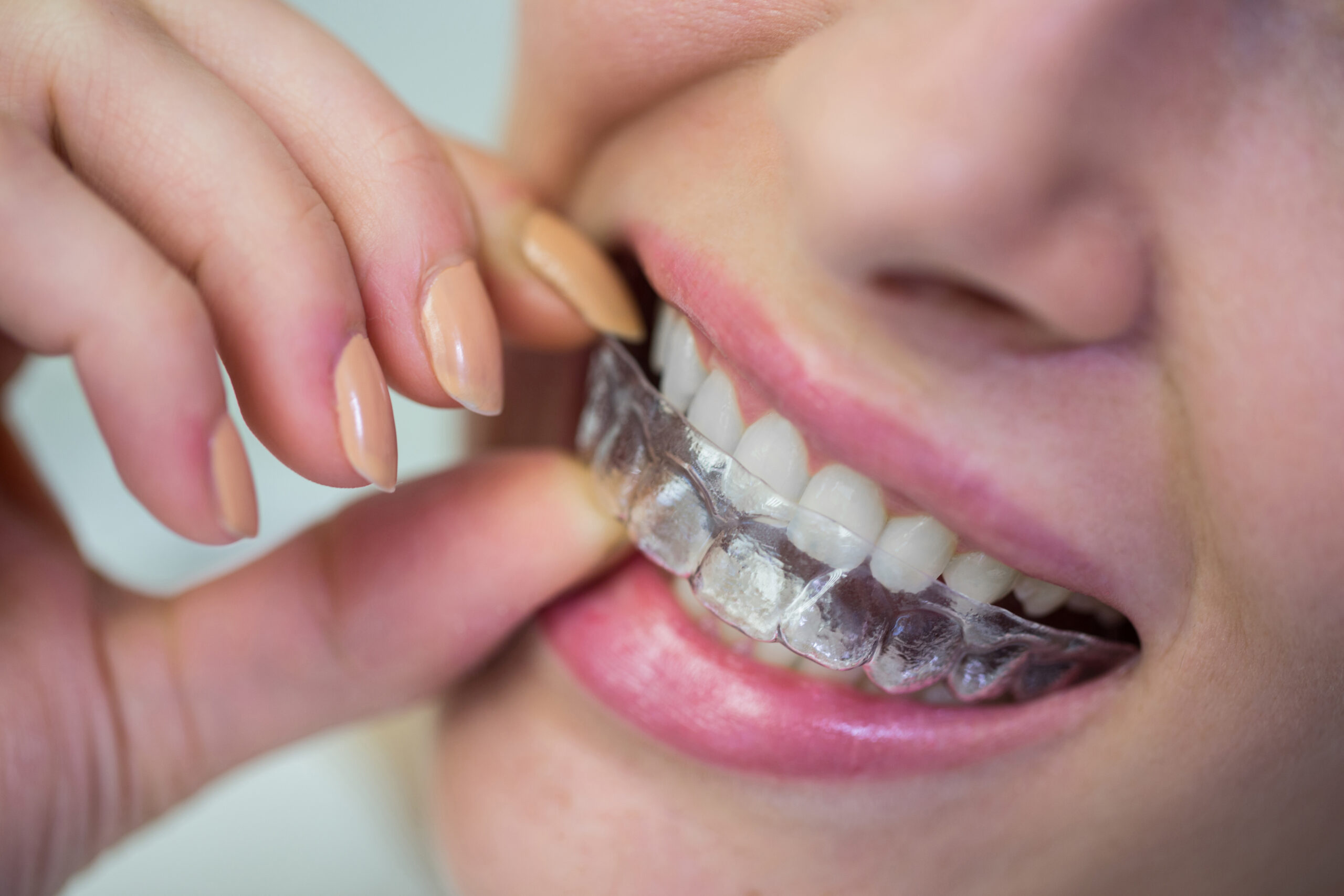
A straight smile is no longer just about looks. It plays an important role in confidence, oral health, speech clarity, and long-term dental stability. Whether you have crowded teeth, gaps, overbites, or crooked alignment, orthodontic treatment can improve both your smile and overall dental function.
The biggest choice most patients face is deciding between traditional braces and invisible aligners. Braces are highly effective for complex dental problems, severe crowding, and bite correction because they provide continuous pressure and precise tooth movement. Invisible aligners, on the other hand, are a discreet, comfortable, and removable option that fits easily into modern lifestyles.
Clear aligners have become increasingly popular among adults and working professionals who want straighter teeth without noticeable metal brackets. However, braces still remain the preferred solution for advanced orthodontic cases.
Choosing the right treatment depends on your dental needs, lifestyle, and budget. Understanding the differences in comfort, appearance, effectiveness, and maintenance can help you make the best decision for a healthy, confident smile.
Why More People Are Choosing Orthodontic Treatment Today
Orthodontic treatment is no longer seen as something only teenagers need. Adults are increasingly visiting dental clinics to correct alignment issues that they may have ignored for years. Social media, video calls, digital photography, and growing awareness of oral health have completely changed how people think about their smiles. Straight teeth are now associated with professionalism, confidence, and good self-care, which explains why orthodontic demand has risen sharply across the world.
Research shows that millions of people begin orthodontic treatment every year, and adults now make up a significant percentage of patients. According to recent orthodontic market reports, rising awareness about malocclusion and advancements in digital dental technology are major reasons behind the popularity of invisible orthodontics. Many patients who previously avoided braces because of appearance concerns are now exploring invisible aligners as a comfortable alternative.
The health benefits are equally important. Crooked or crowded teeth are not just cosmetic concerns. Misaligned teeth can make brushing and flossing difficult, increasing the risk of cavities, gum disease, and plaque buildup. Bite problems may also lead to jaw pain, headaches, uneven enamel wear, and speech difficulties. Orthodontic treatment helps distribute bite pressure evenly, improving both dental function and long-term oral health.
Technology has also transformed the orthodontic experience. Digital scanning, 3D imaging, and AI-driven treatment planning now allow orthodontists to predict tooth movement with impressive accuracy. This has made treatments faster, more comfortable, and more personalized than ever before. Patients today have more choices, more flexibility, and better results compared to previous generations.
Rising Demand for Aesthetic Dentistry
People today care deeply about appearance, and dentistry has evolved alongside those expectations. Cosmetic and aesthetic dental treatments are becoming mainstream because patients want solutions that improve both health and appearance at the same time. Clear aligners fit perfectly into this trend because they are nearly invisible while still correcting alignment problems effectively.
One major reason adults prefer aligners is discretion. A working professional attending meetings every day may not feel comfortable wearing metal braces. Aligners solve that concern by allowing patients to straighten teeth without drawing attention. The rise of social media and constant online visibility has also increased awareness about smiles and facial aesthetics.
The invisible orthodontics industry has seen substantial growth because of this shift in consumer behavior. Market research predicts strong global growth in the clear aligner sector over the next several years as adults continue seeking discreet orthodontic options. The demand is especially strong among young professionals and adults who want orthodontic treatment without changing their appearance dramatically during the process.
The Impact of Straight Teeth on Oral Health and Confidence
A straight smile often changes more than just physical appearance. Many patients report feeling more confident in social situations after orthodontic treatment. Smiling freely during conversations, photographs, or presentations can improve self-esteem in subtle but powerful ways. Confidence affects everything from relationships to career opportunities.
From a health perspective, aligned teeth are easier to clean properly. Food particles and plaque are less likely to accumulate in hard-to-reach spaces. This lowers the risk of gum inflammation, tooth decay, and bad breath. Orthodontic treatment can also improve chewing efficiency and reduce pressure on jaw joints.
Think of teeth like the wheels of a car. If the alignment is off, the entire system experiences unnecessary strain over time. Correcting alignment early prevents many long-term dental complications and helps preserve natural teeth for decades.
Understanding Traditional Braces
Traditional braces have been used successfully for decades, and they remain one of the most effective orthodontic treatments available today. Braces work by applying continuous pressure on the teeth, gradually moving them into the desired position over time. Orthodontists attach brackets to the teeth and connect them with wires that guide tooth movement precisely.
One major advantage of braces is control. Since braces are fixed to the teeth, treatment continues 24/7 without depending on patient discipline. This makes braces especially effective for younger patients or people who may struggle to wear removable aligners consistently. Orthodontists can make detailed adjustments during appointments to guide even difficult tooth movements accurately.
Braces are highly versatile and can correct severe crowding, rotated teeth, jaw misalignment, overbites, underbites, crossbites, and other complicated orthodontic conditions. In many complex cases, braces remain the gold standard because they can generate stronger and more controlled force compared to aligners.
Modern braces are also more comfortable and less bulky than older versions. Dental materials and orthodontic technology have improved significantly, making treatment smoother and more efficient than in previous decades.
How Metal Braces Work
Metal braces use brackets bonded to the surface of teeth along with archwires that apply steady pressure. Over time, the pressure slowly shifts teeth into proper alignment. Orthodontists periodically tighten or adjust the wires to continue guiding movement throughout treatment.
The process may sound simple, but orthodontics is incredibly precise. Each adjustment changes the direction and amount of force applied to the teeth. Braces can rotate teeth, close gaps, correct bite issues, and even guide jaw positioning in some cases.
Patients usually visit the orthodontist every four to eight weeks for adjustments. Treatment duration depends on the complexity of the case, but most patients wear braces for one to three years. After treatment, retainers help maintain the new alignment.
Types of Braces Available
Metal Braces
Metal braces are the most common and affordable type of orthodontic treatment. They are durable, highly effective, and suitable for almost every alignment problem. Modern metal braces are smaller and more comfortable than older versions, making them easier to wear.
Ceramic Braces
Ceramic braces function similarly to metal braces but use tooth-colored brackets for a less noticeable appearance. They are popular among adults who want a more aesthetic option while still benefiting from the effectiveness of braces.
Lingual Braces
Lingual braces are attached behind the teeth instead of the front, making them nearly invisible. While aesthetically appealing, they are often more expensive and may require a longer adjustment period for speech and comfort.
What Are Invisible Aligners?
Invisible aligners are custom-made clear trays designed to gradually shift teeth into alignment. Unlike braces, aligners are removable and almost invisible when worn. Patients receive a series of aligners, each slightly adjusted to continue moving teeth step by step.
Clear aligners have transformed orthodontics by offering a more flexible and discreet treatment experience. Patients can remove them while eating, brushing, or attending special events, which is one of their biggest advantages. Digital scans and 3D treatment planning allow orthodontists to map out the entire treatment journey before it even begins.
Many adults prefer aligners because they fit seamlessly into modern lifestyles. There are no metal brackets or wires, fewer emergency visits for broken appliances, and less irritation inside the mouth. Recent innovations in digital dentistry and AI-driven orthodontics have also improved aligner precision significantly. That said, aligners require discipline. Most orthodontists recommend wearing them for 20 to 22 hours daily. Skipping wear time can delay results and affect treatment success.
How Clear Aligners Move Teeth
Each aligner tray is designed to create controlled pressure on specific teeth. Patients switch to a new set every one to two weeks, depending on the treatment plan. The gradual sequence of trays slowly guides the teeth into better alignment.
Digital technology plays a major role here. Orthodontists use advanced software to simulate tooth movement and predict results before treatment starts. This allows patients to preview their future smile and understand the treatment timeline clearly.
Popular Benefits of Invisible Aligners
Invisible aligners offer several lifestyle advantages that make them appealing to modern patients:
| Feature | Invisible Aligners | Traditional Braces |
| Appearance | Nearly invisible | Noticeable |
| Removability | Yes | No |
| Food Restrictions | Minimal | Several restrictions |
| Oral Hygiene | Easier brushing and flossing | More difficult cleaning |
| Comfort | Smooth plastic trays | Possible wire irritation |
| Best For | Mild-to-moderate cases | Complex orthodontic cases |
Many patients appreciate the flexibility aligners provide. You can remove them while eating pizza, attending weddings, or taking photos without worrying about visible metal brackets.
Braces vs Invisible Aligners: Key Differences
Choosing between braces and invisible aligners often comes down to priorities. Some patients value effectiveness above everything else, while others prioritize appearance, comfort, or convenience. Understanding the core differences helps make the decision easier.
Appearance and Comfort
Invisible aligners clearly win when it comes to aesthetics. They are transparent and difficult to notice during conversations. Adults and professionals often choose aligners because they provide orthodontic treatment without dramatically changing appearance.
Comfort is another strong advantage for aligners. Smooth plastic trays reduce irritation compared to metal brackets and wires. Braces can occasionally cause mouth sores or discomfort after adjustments, although orthodontic wax helps reduce irritation.
Treatment Time and Effectiveness
Treatment effectiveness depends heavily on the complexity of the case. Braces generally work better for severe crowding, major bite corrections, and complicated tooth movements. Aligners are highly effective for mild-to-moderate cases but may struggle with certain complex issues.
Treatment duration varies widely, but aligners can sometimes produce faster results for simpler cases. Compliance matters greatly, though. If patients fail to wear aligners consistently, treatment slows significantly.
Maintenance and Oral Hygiene
Oral hygiene is easier with aligners because they are removable. Patients can brush and floss normally without navigating around brackets and wires. This reduces the risk of plaque buildup and gum inflammation.
Braces require extra care. Certain foods like popcorn, sticky candy, and hard snacks can damage brackets or wires. Patients must clean carefully around braces to maintain oral health during treatment.
Cost Comparison
Costs vary depending on location, orthodontist experience, and treatment complexity. In many cases, invisible aligners may cost slightly more because of digital scanning and customized manufacturing.
| Treatment Type | Estimated Cost Range |
| Metal Braces | Moderate |
| Ceramic Braces | Moderate to High |
| Lingual Braces | High |
| Invisible Aligners | Moderate to High |
Some clinics also offer installment plans to make orthodontic treatment more affordable.
Which Treatment Works Better for Complex Cases?
Orthodontists usually recommend braces for severe alignment problems because fixed appliances provide greater control. Complex bite corrections often require movements that aligners may struggle to achieve consistently.
Severe Misalignment and Bite Problems
Patients with major crowding, jaw discrepancies, rotated teeth, or severe bite problems often benefit more from braces. Braces apply continuous force and allow orthodontists to make detailed corrections throughout treatment.
Mild-to-Moderate Alignment Issues
Invisible aligners are excellent for mild spacing, small crowding issues, and moderate alignment concerns. Patients who mainly want cosmetic improvement often find aligners to be an ideal solution.
Lifestyle Factors That Influence Your Choice
Orthodontic treatment affects daily life more than many people expect. Your routine, work environment, eating habits, and personality can all influence which option feels more comfortable.
Food Restrictions and Daily Habits
Braces require dietary adjustments because certain foods can damage brackets and wires. Sticky candies, chewing gum, nuts, and hard snacks are usually discouraged.
Aligners offer more freedom because they are removable during meals. Patients can continue enjoying favorite foods without worrying about damaging orthodontic appliances.
Social Confidence and Professional Life
Adults working in customer-facing roles often prefer aligners because they are discreet. Teachers, actors, sales professionals, and public speakers frequently choose invisible orthodontics to maintain confidence during treatment.
The growing popularity of aligners among adults reflects this trend strongly. Experts note that aesthetics and comfort are reshaping modern orthodontic preferences worldwide.
Choosing the Right Orthodontic Treatment for Your Smile
There is no universal answer when comparing braces and invisible aligners because every patient has different needs. The right choice depends on factors like dental complexity, lifestyle preferences, budget, discipline, and cosmetic priorities.
Braces remain the most powerful option for correcting severe orthodontic issues. They provide continuous treatment without depending on patient compliance and can handle complex tooth movements effectively. Invisible aligners, on the other hand, offer exceptional convenience, comfort, and aesthetics for mild-to-moderate cases.
The best step is to consult a qualified orthodontist who can evaluate your bite, alignment, and treatment goals carefully. Modern orthodontics is not about choosing the “trendiest” solution. It is about choosing the treatment that delivers safe, stable, and long-lasting results for your specific smile.
For professional orthodontic consultation and personalized dental care .
Conclusion
Both braces and invisible aligners can create beautiful, healthy smiles when used correctly. Braces are trusted for complex orthodontic corrections and provide unmatched control for difficult cases. Invisible aligners deliver flexibility, comfort, and subtle aesthetics that fit modern lifestyles perfectly.
The decision ultimately comes down to your dental condition and personal priorities. Some patients value discretion and convenience, while others need the strength and precision of braces for major corrections. Orthodontic treatment is an investment in long-term oral health, confidence, and overall well-being.
A straight smile is not just about appearance. It improves oral hygiene, bite function, jaw comfort, and daily confidence. Whether you choose braces or aligners, the most important step is starting treatment with a qualified dental professional who can guide you toward the best solution for your needs.
FAQs
1. Are invisible aligners better than braces?
Invisible aligners are better for patients who want a discreet and removable option for mild-to-moderate alignment problems. Braces are generally better for severe orthodontic cases and complex bite corrections.
2. Which treatment is more painful: braces or aligners?
Both treatments can cause temporary discomfort as teeth shift position. Braces may cause more irritation because of brackets and wires, while aligners usually feel smoother and more comfortable.
3. How long do braces and aligners take to work?
Treatment duration varies depending on the complexity of the case. Most orthodontic treatments take between 12 months and 3 years.