
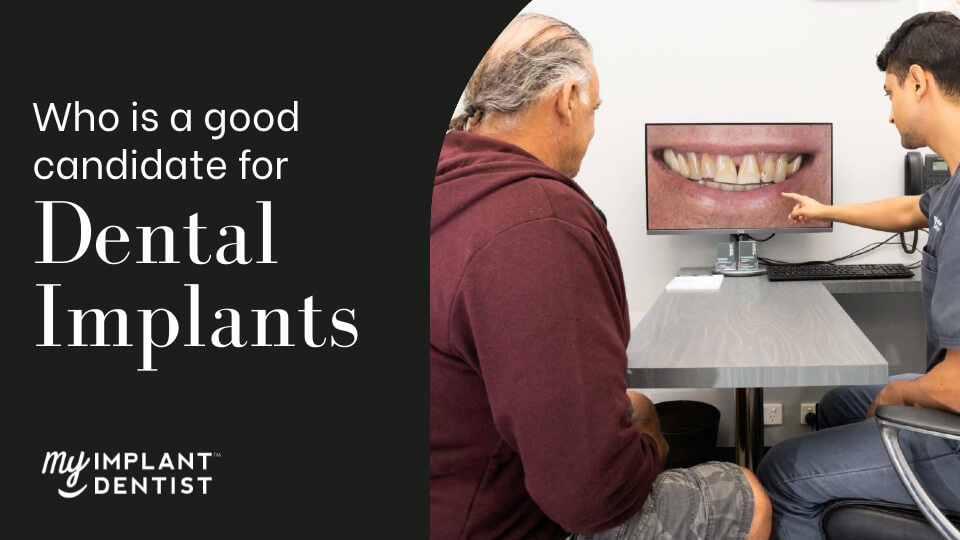
Wondering if you are a good candidate for dental implants? Learn about implant eligibility, bone health, gum health and what to expect during a consultation.
Losing a tooth can affect everyday things such as chewing, speaking, and feeling comfortable while smiling. Dental implants are one option for replacing missing teeth, but not everyone is automatically a suitable candidate.
Table of Contents
So, who is a good candidate for dental implants?
Generally, dental implants may be considered for people who have one or more missing teeth, suitable jawbone support, healthy or treatable gums, and the ability to maintain good oral hygiene. However, implant eligibility cannot be determined from symptoms or an online search alone. A dentist needs to examine your teeth, gums, bite, jawbone, and overall dental health before recommending treatment.
If you are considering dental implants in Andheri(E), understanding these factors can help you know what to expect during an implant consultation.
What Are Dental Implants?
A dental implant is an artificial tooth root that is placed into the jawbone to support a replacement tooth. Depending on the patient’s needs, an implant can support a dental crown, bridge, or denture.
The implant itself is placed below the gum, while the visible replacement tooth is designed to restore the appearance and function of the missing tooth.
Unlike removable dentures, implants are fixed in the jaw. However, the treatment involves proper planning, healing, and long-term maintenance.
Who Is a Good Candidate for Dental Implants?
There is no single checklist that makes someone automatically eligible for implants. Instead, a dentist considers several factors together.
1. You Have One or More Missing Teeth
People who have lost a single tooth, several teeth, or teeth in different areas of the mouth may be considered for dental implants.
For a single missing tooth, an implant may support an individual crown. When several teeth are missing, implants may be used to support a bridge or another type of restoration.
The suitable option depends on the location of the missing teeth, the surrounding teeth, gum health, bone support, and your individual treatment needs.
2. Your Gums Are Healthy or Can Be Treated
Healthy gums are an important part of successful dental care.
If you have active gum disease, your dentist may recommend treating it before implant placement. Periodontal disease can damage the tissues and bone that support teeth, which is why gum health needs to be assessed as part of implant planning.
This does not necessarily mean someone with a history of gum disease cannot receive implants. It means the condition needs appropriate evaluation and management.
3. You Have Enough Jawbone or May Be Suitable for Bone Treatment
Dental implants need suitable bone support for stability.
After a tooth has been missing for a long period, bone in that area may reduce. If there is not enough bone for the planned implant, your dentist may discuss additional treatment such as bone augmentation or grafting.
Whether this is required depends on the amount and location of bone available. Imaging during the consultation can help the dentist evaluate the area more accurately.
4. You Can Maintain Good Oral Hygiene
Getting a dental implant does not mean you can stop taking care of your mouth.
Regular brushing, cleaning between teeth, dental check-ups, and professional cleaning when recommended are important for maintaining oral health around the implant.
A person who is prepared to follow their dentist’s oral hygiene and follow-up instructions is better positioned to maintain their implant over time.
5. You Have Realistic Expectations About Treatment
Dental implants are not usually an instant tooth-replacement procedure.
Treatment may involve:
- Initial dental examination
- Dental X-rays or other imaging
- Treatment of existing oral health problems
- Implant placement
- A healing period
- Placement of the final crown, bridge, or denture
The exact treatment sequence and duration vary from patient to patient.
A good implant consultation should give you a clear understanding of what may be involved before you decide to proceed.
Does Age Affect Dental Implant Eligibility?
Age by itself does not determine whether someone can receive dental implants.
The dentist will generally consider factors such as jaw development, gum health, bone condition, oral hygiene, medical history, and the patient’s ability to maintain the implant.
For younger patients whose jaw development is still incomplete, implant treatment may need to be delayed. Older adults may still be considered when their oral and general health are suitable for treatment.
This is why dental implant eligibility should be determined through an individual examination rather than by age alone.
Can You Get Dental Implants If You Have Bone Loss?
Possibly.
Bone loss is one of the factors a dentist evaluates before implant placement, but it does not automatically mean implants are ruled out.
If the available bone is insufficient, the dentist may discuss whether bone augmentation or another treatment approach is appropriate. The decision depends on the specific location and amount of bone loss.
A dental examination and appropriate imaging are therefore important parts of an implant consultation.
Can Smokers Get Dental Implants?
Smoking is an important factor to discuss with your dentist before implant treatment.
Tobacco use can negatively affect oral health, including gum health and healing. Research discussed by the American Dental Association has also reported concerns regarding implant health and smoking.
If you smoke, tell your dentist during your consultation. They can explain how it may affect your treatment and what steps may be appropriate before and after implant placement.
What Can Affect Dental Implant Eligibility?
Some patients may need additional dental treatment or assessment before an implant can be planned.
These factors can include:
- Untreated gum disease
- Significant bone loss
- Poor oral hygiene
- An untreated dental infection
- Smoking or tobacco use
- Certain health conditions or medications that may affect healing
- Incomplete jaw development
Having one of these factors does not automatically mean dental implants are impossible. Your dentist needs to understand the individual situation and decide what treatment or preparation may be appropriate.
What Happens During a Dental Implant Consultation?
If you are searching for a dental implant specialist in Andheri(E), the consultation is an important part of the process.
Your dentist may assess:
- The number and location of missing teeth
- Condition of the surrounding teeth
- Gum health
- Jawbone support
- Your bite
- Oral hygiene
- Dental and medical history
- Your expectations and treatment goals
Imaging may also be recommended to understand the bone and surrounding structures.
The American Dental Association recommends that patients have a comprehensive dental examination and discuss available treatment options based on their individual diagnosis and needs.
Dental Implants in Andheri(E): What Should You Look For?
If you are looking for dental implants in Andheri(E), the first step should be understanding your actual dental condition rather than deciding on treatment based only on advertisements or online information.
A proper consultation should give you an opportunity to understand:
- Whether an implant is suitable for you
- Whether your gums need treatment first
- Whether you have sufficient bone support
- Whether additional procedures may be required
- What restoration will be placed over the implant
- How long the overall treatment may take
- How the implant should be maintained afterward
For patients around Marol, Maroshi Road, and Andheri(E), choosing a conveniently located dental clinic can also make consultations and follow-up visits easier.
Questions to Ask Your Implant Dentist
Before beginning treatment, consider asking:
- Am I a suitable candidate for a dental implant?
- Do I have enough bone to support the implant?
- Are my gums healthy enough for treatment?
- Do I need treatment for gum disease first?
- Will I need a bone graft?
- What type of dental implant restoration would I need?
- How long could my treatment take?
- What will I need to do after the implant is placed?
- What alternatives are available if an implant is not suitable?
These questions can help you understand the treatment plan and make an informed decision with your dentist.
Why a Professional Assessment Matters
Searching for “implant dentist near me” can help you find nearby dental clinics, but location alone cannot determine which treatment is suitable for you.
Two people with the same number of missing teeth may have very different implant requirements because their bone, gums, bite, oral hygiene, and dental history can differ.
That is why a personalised assessment is important before starting treatment.
For patients considering dental implant treatment with Dr. Sumana Kar in the Marol Maroshi Road area of Andheri(E), a consultation can help identify the available tooth-replacement options based on their individual dental condition.
Final Thoughts
Dental implants can be an option for replacing missing teeth, but being a good candidate depends on more than simply having a missing tooth.
Healthy or treatable gums, suitable bone support, good oral hygiene, realistic expectations, and appropriate treatment planning all play an important role in determining whether implants are suitable.
If you are considering dental implants in Andheri(E) or searching for an implant dentist near me, start with a professional dental consultation. Your dentist can assess your oral health, explain your options, and help you understand what treatment may be appropriate for your specific situation.
This article is intended for general educational purposes and does not replace a clinical examination, diagnosis, or personalised dental advice.
Frequently Asked Questions
Who is usually a good candidate for dental implants?
A person with one or more missing teeth may be considered for dental implants if they have suitable bone support, healthy or treatable gums, good oral hygiene, and an appropriate overall dental condition. A dentist must assess each patient individually.
Can I get dental implants if I have bone loss?
Possibly. The amount and location of bone loss need to be assessed. In some cases, additional bone treatment may be considered before implant placement.
Can someone with gum disease get dental implants?
Active gum disease generally needs to be evaluated and managed before implant treatment. Your dentist can determine whether your gums are sufficiently healthy for implant placement.
Does age matter for dental implants?
Age alone does not determine implant eligibility. Dental health, bone condition, gum health, jaw development, and overall treatment considerations are more important factors.
Can smokers get dental implants?
Smoking can affect oral health and healing, so it is important to discuss tobacco use honestly with your dentist before implant treatment.
How do I know if dental implants are right for me?
The most reliable way is to have an implant consultation. Your dentist can examine your teeth and gums, assess bone support, review your dental history, and explain suitable treatment options.