
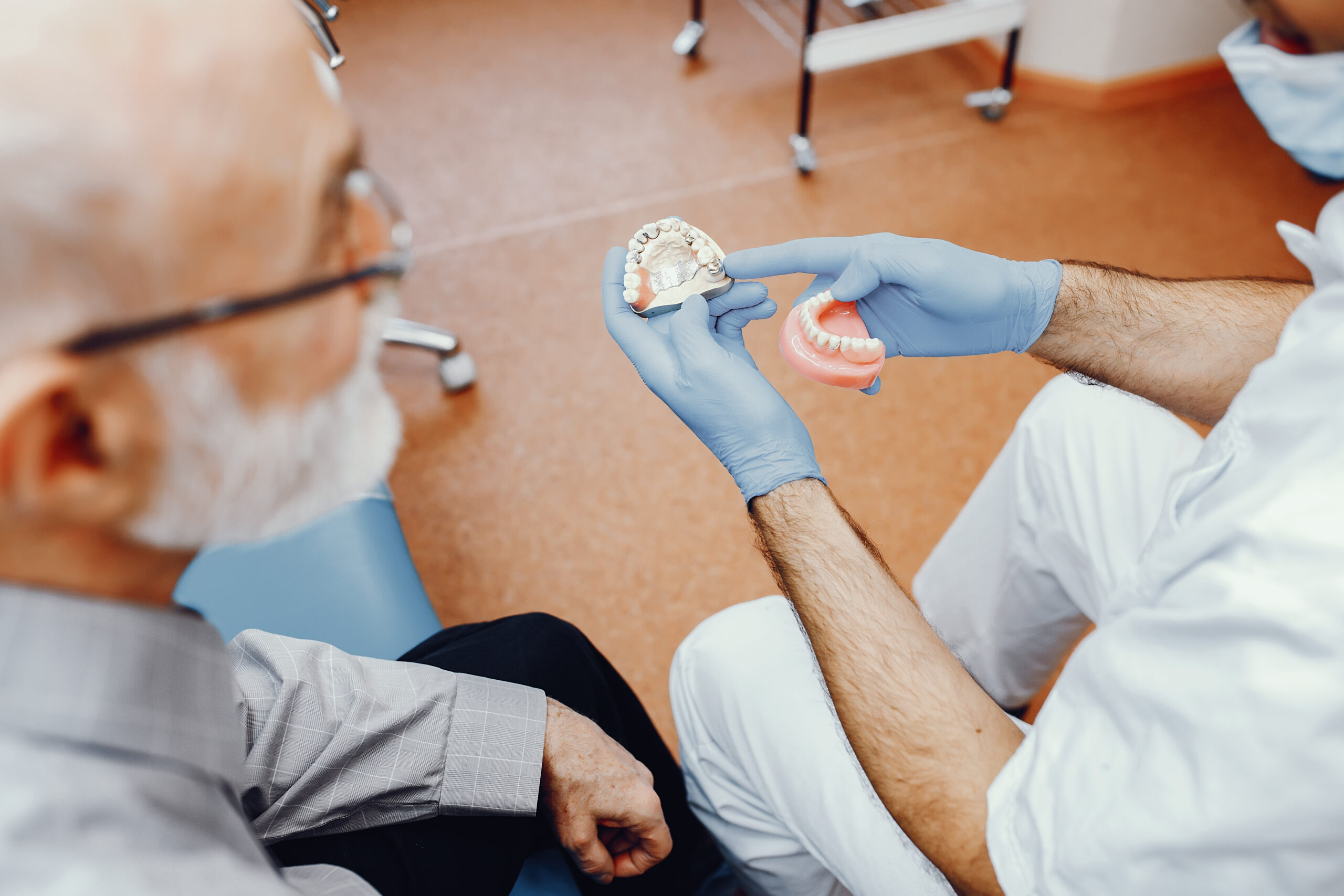
Losing a tooth can feel like losing a small part of yourself. Eating your favorite foods may become uncomfortable, smiling in photos can feel awkward, and even speaking confidently might turn into a challenge. Thankfully, modern dentistry offers reliable solutions to restore both your smile and confidence. The biggest question most patients face is simple: Should you choose dentures, bridges, or dental implants?
Each option comes with its own benefits, costs, treatment timeline, and long-term impact on oral health. Dental implants are widely considered the most durable and natural-looking solution because they preserve jawbone structure and can last for decades. Dental bridges provide a faster and more affordable fixed option, while dentures remain a practical choice for replacing multiple missing teeth.
Why Replacing Missing Teeth Matters
Many people think missing one tooth is not a serious issue, especially if the gap is hidden in the back of the mouth. That assumption can create bigger dental problems over time. Teeth work together like members of a team. When one disappears, the neighboring teeth slowly shift into the empty space, causing bite misalignment and uneven pressure during chewing. Missing teeth also affect your facial appearance. Your jawbone depends on tooth roots to stay stimulated and strong. Without that stimulation, the bone begins to shrink. Over time, this can create a sunken facial appearance that makes people look older than they actually are. This bone loss is one reason dentists often recommend replacing missing teeth as early as possible.
There are also emotional effects. Many patients become self-conscious about smiling, laughing, or speaking in public. Confidence can quietly disappear one conversation at a time. Replacing missing teeth is not just about aesthetics. It directly impacts oral health, nutrition, speech, and self-esteem. The longer a missing tooth is ignored, the more complicated treatment can become later. Bone loss may require grafting procedures, neighboring teeth may weaken, and gum disease risks can increase.
The Hidden Effects of Tooth Loss
A missing tooth creates a domino effect inside the mouth. The remaining teeth begin drifting toward the gap, which changes your bite and chewing pattern. This imbalance can eventually lead to jaw pain, headaches, and uneven tooth wear.
People with missing teeth often avoid hard or crunchy foods because chewing becomes difficult. That dietary limitation can affect overall health and nutrition. Foods like nuts, fruits, vegetables, and proteins are essential for maintaining health, yet many patients stop eating them comfortably after tooth loss.
How Missing Teeth Affect Jawbone Health
One of the biggest differences between implants and other tooth replacement options is jawbone preservation. Dental implants act like natural tooth roots and stimulate the jawbone during chewing. Bridges and dentures do not provide that stimulation.
Studies continue to show that jawbone shrinkage accelerates after tooth loss. This is why patients who wait too long sometimes notice changes in facial structure and denture fit over time.
Understanding Dentures
Dentures have been used for centuries, but modern dentures are far more comfortable and natural-looking than older versions. They are removable appliances designed to replace missing teeth and surrounding tissue. There are two main types: full dentures and partial dentures. Full dentures replace an entire arch of teeth, while partial dentures replace only a few missing teeth. Some dentures are supported by implants for better stability and comfort.
One major advantage of dentures is affordability. They are usually the least expensive tooth replacement option. They are also non-invasive because they do not require surgery or permanent alteration of neighboring teeth. Still, dentures come with challenges.
Types of Dentures Available Today
| Denture Type | Best For | Key Benefit |
| Full Dentures | Complete tooth loss | Affordable full-mouth replacement |
| Partial Dentures | Several missing teeth | Preserves remaining natural teeth |
| Implant-Supported Dentures | Better stability | Reduced slipping and improved comfort |
Modern dentures are lighter, more realistic, and more customizable than ever before. Advanced materials now mimic natural gum tissue and tooth appearance remarkably well.
Benefits and Limitations of Dentures
Dentures work well for patients missing multiple teeth, especially those looking for a budget-friendly solution. They can restore appearance quickly and improve speech significantly.
The downside is that dentures do not stop bone loss. They also require daily removal and cleaning. Some patients never fully adapt to the feeling of removable teeth inside the mouth.
Understanding Dental Bridges
Dental bridges literally “bridge” the gap left by missing teeth. A bridge usually consists of an artificial tooth anchored by crowns placed on the neighboring teeth.
Bridges are popular because they offer a fixed, non-removable solution without surgery. The process is usually completed within two to three weeks, making it much faster than implant treatment.
One concern with bridges is that healthy adjacent teeth often need to be shaved down to support the restoration. That permanent alteration can weaken otherwise healthy teeth over time.
How Dental Bridges Work
A traditional bridge uses neighboring teeth as anchors. These support teeth are prepared with crowns, and the artificial tooth sits between them to fill the gap.
Bridges can look very natural, especially when crafted with high-quality porcelain materials. Most people cannot easily distinguish a well-made bridge from natural teeth.
Pros and Cons of Dental Bridges
Bridges provide quicker results than implants and often cost less upfront. They are excellent for patients who cannot undergo surgery or need a faster treatment solution.
The main disadvantage is durability. Most bridges last around 7 to 15 years before replacement becomes necessary. Supporting teeth may also become vulnerable to decay or fracture over time.
Understanding Dental Implants
Dental implants are widely considered the most advanced tooth replacement solution available today. Unlike dentures and bridges, implants replace both the visible tooth and the root underneath the gumline.
An implant consists of three parts:
- Titanium implant post
- Abutment connector
- Dental crown
The implant post fuses directly with the jawbone through a process called osseointegration. This creates exceptional stability and chewing power that closely mimics natural teeth.
What Makes Dental Implants Different
Dental implants are unique because they preserve bone health. When you chew, pressure transfers through the implant into the jawbone, stimulating it just like a natural tooth root would.
This prevents the shrinking and facial collapse commonly associated with long-term tooth loss. Implants also do not rely on neighboring teeth for support, which helps preserve healthy tooth structure.
Why Implants Are Considered the Gold Standard
Dental implants consistently outperform bridges and dentures in long-term durability. Recent studies show implant survival rates above 95% after 10 years. Many implant posts can last 20 to 30 years or even a lifetime with proper care.
Patients often describe implants as feeling almost identical to natural teeth. They do not slip, click, or require adhesives. Chewing efficiency is also significantly higher compared to removable dentures.
Cost Comparison
Dentures usually have the lowest initial cost, making them attractive for patients with budget concerns. Bridges sit in the middle range, while implants generally involve the highest upfront investment.
However, implants may become more cost-effective long term because they last significantly longer and often require fewer replacements.
Lifespan and Durability
Implants dominate in durability. Bridges eventually fail due to wear or supporting tooth issues, while dentures need regular relining or replacement because jawbone changes affect fit.
Which Option Looks Most Natural?
Appearance matters more than many people admit. A confident smile can change social interactions, professional confidence, and overall self-image.
Dental implants usually provide the most natural appearance because they emerge from the gums like real teeth. Bridges also look highly aesthetic, especially when crafted by experienced cosmetic dentists.
Modern dentures have improved dramatically, but they may still look less natural in some cases because of gum coverage and bulkiness. Patients with implants often report forgetting they even have replacement teeth because the result feels so realistic.
Which Option Feels Most Comfortable?
Comfort depends heavily on personal preference and oral anatomy. Dentures can sometimes feel bulky or unstable, especially lower dentures that move during speech or eating.
Bridges feel more secure because they are permanently fixed. Patients typically adapt quickly to them after placement.
Implants generally offer the highest comfort level because they behave similarly to natural teeth. There is no movement, no adhesive, and no pressure on the gums during chewing.
Eating and Speaking With Tooth Replacements
One of the biggest frustrations after tooth loss is struggling to eat favorite foods comfortably. Hard foods, chewy foods, and crunchy textures become difficult when teeth are missing.
Dentures restore some chewing function, but many patients still avoid tough foods. Bridges perform better, offering improved bite stability.
Dental implants provide the closest experience to natural chewing. Studies and patient experiences suggest implants can restore up to 90–95% of natural chewing ability.
Speech also improves significantly with fixed solutions because there is no movement during conversation.
Treatment Time and Recovery
Fastest Solution
Bridges and dentures are much faster than implants. Many bridge procedures finish within two weeks, while dentures may take several appointments over a few weeks. Patients who need immediate cosmetic improvement often choose these options because of shorter timelines.
Longest Lasting Solution
Implants require patience. Healing and osseointegration can take several months. Yet the longer treatment time often delivers the best long-term results. Many patients describe implants as an investment rather than a quick fix.
Long-Term Oral Health Impact
Long-term oral health should always influence treatment decisions. Dentures and bridges solve the visible gap problem, but implants solve both cosmetic and structural problems.
Bridges may place extra stress on neighboring teeth, while dentures can accelerate bone shrinkage over time. Implants preserve bone, maintain facial structure, and support overall oral stability.
Choosing the Right Treatment for Your Lifestyle
Every patient has different priorities. Some value affordability. Others prioritize durability, appearance, or convenience.
Ask yourself these questions:
- Do you want a removable or fixed solution?
- Are you comfortable with surgery?
- Is long-term durability important?
- What does your budget allow?
- How quickly do you need treatment completed?
Your lifestyle matters just as much as the clinical factors.
When You Should Consider Dental Implants
Implants are often ideal if you:
- Want the longest-lasting solution
- Have healthy gums and sufficient bone
- Prefer natural appearance and feel
- Want to preserve jawbone health
- Do not want removable teeth
Patients seeking premium long-term function usually choose implants despite the higher initial cost. For expert treatment options and personalized care. .
When Bridges May Be a Better Choice
Bridges can be an excellent middle-ground solution if:
- You want faster results
- You prefer a fixed restoration
- Adjacent teeth already need crowns
- You are not a candidate for implant surgery
Bridges remain one of the most commonly used restorative options because they balance affordability and aesthetics effectively.
When Dentures Are the Most Practical Option
Dentures often work best for patients with:
- Multiple missing teeth
- Complete tooth loss
- Limited budget
- Medical conditions preventing surgery
Modern dentures can dramatically improve quality of life when designed and fitted correctly.
Why Professional Consultation Matters
No online article can replace a professional dental examination. Factors like bone density, gum health, medical history, bite alignment, and lifestyle all influence treatment success. Digital scans, X-rays, and personalized consultations help dentists recommend the safest and most effective option for each patient. A treatment that works perfectly for one person may not be ideal for another.
Choosing a tooth replacement solution is not just about replacing a tooth. It is about protecting your long-term oral health, confidence, comfort, and quality of life.
Conclusion
Missing teeth affect much more than appearance. They influence chewing, speech, facial structure, confidence, and long-term oral health. Thankfully, modern dentistry offers reliable solutions for every budget and lifestyle. Dentures remain a practical and affordable option, especially for multiple missing teeth. The best choice depends on your goals, oral condition, timeline, and budget. A personalized consultation with an experienced dental professional can help you make the right decision with confidence.
FAQs
1. Are dental implants painful?
Most patients report less discomfort than expected. Local anesthesia and modern techniques make implant placement relatively comfortable. Mild soreness after surgery usually improves within a few days.
2. How long do dentures usually last?
Most dentures last around 5 to 10 years before replacement or relining becomes necessary.
3. Can dental bridges look natural?
Yes. Modern porcelain bridges are designed to closely match natural teeth in color, shape, and appearance.
4. Are implants worth the higher cost?
For many patients, yes. Implants often last decades, preserve bone health, and provide the closest feel to natural teeth.
5. Can smokers get dental implants?
Smoking increases the risk of implant failure because it affects healing and bone integration. Dentists usually recommend quitting or reducing smoking before implant treatment.