
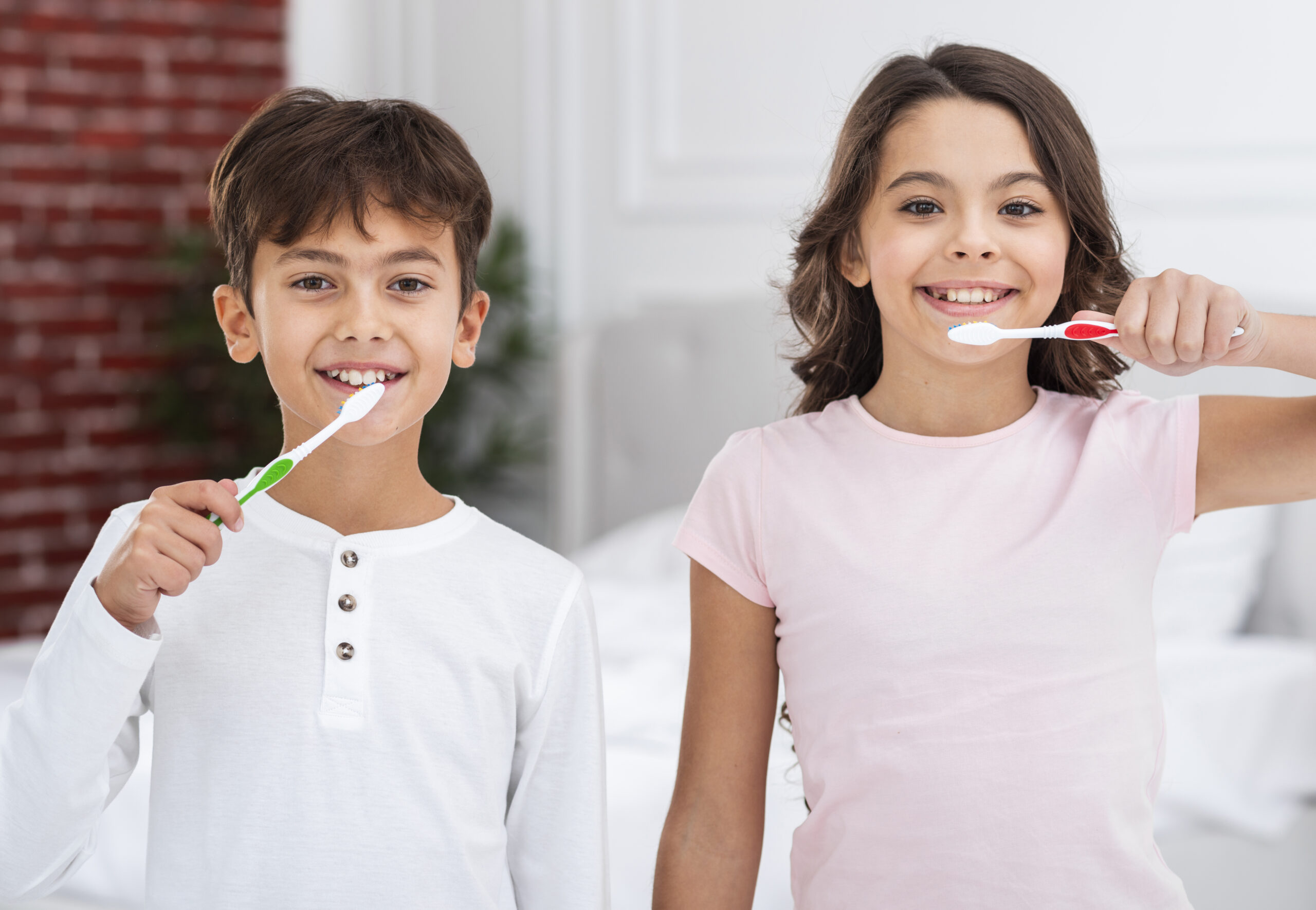
Parents often focus on healthy meals, school performance, and physical growth, but one important area sometimes gets overlooked: children’s oral health. A healthy smile is more than just bright teeth. It affects confidence, speech, eating habits, sleep quality, and even overall health. Tooth decay in children is still one of the most common health problems worldwide, yet most cavities are preventable with simple daily habits.
According to the American Academy of Pediatric Dentistry, brushing twice daily with fluoride toothpaste and regular dental visits are among the most effective ways to reduce cavities in children. Parents who establish good oral hygiene routines early often help their children avoid painful dental issues later in life.
If you are wondering how to create healthy dental habits for your child without constant battles and reminders, this guide will help you step by step.
Why Children’s Dental Health Matters
A child’s smile tells a story. It reflects their happiness, confidence, nutrition, and overall well-being. Healthy teeth help children chew food properly, speak clearly, and feel confident while interacting with friends and family. Many parents think baby teeth are temporary and therefore less important, but these teeth play a major role in guiding permanent teeth into the correct position.
Poor oral health during childhood can create long-term problems that continue into adulthood. Cavities may lead to pain, infections, difficulty eating, sleep disturbances, and school absences. Recent studies also suggest that oral health affects emotional well-being. Children with dental pain may struggle with concentration and self-esteem.
Think of baby teeth as the foundation of a house. If the foundation is weak, everything built on top becomes unstable. In the same way, unhealthy baby teeth can impact permanent teeth, jaw development, and oral habits later in life. Parents who start healthy oral care routines early often save their children from painful dental procedures and expensive treatments in the future.
The good news is that children’s tooth decay prevention is usually simple. Small habits practiced daily can make a huge difference over time. Brushing, healthy eating, regular dental visits, and fluoride protection work together like a shield protecting your child’s smile.
Understanding Tooth Decay in Children
Many parents wonder why cavities happen even when they try their best. Tooth decay develops when bacteria in the mouth mix with sugars from food and drinks, creating acids that slowly damage tooth enamel. Over time, tiny holes form in the teeth, leading to cavities.
Children are more vulnerable because they often enjoy sweets, juices, chocolates, sticky snacks, and flavored drinks. Their brushing habits may also be inconsistent or ineffective. Young children do not yet have the hand coordination needed to clean every corner of their mouth properly, which means parents must supervise brushing carefully.
Some early warning signs of cavities include:
| Early Signs of Tooth Decay | What Parents May Notice |
| White spots on teeth | Early enamel damage |
| Brown or black stains | Progressing cavities |
| Tooth sensitivity | Pain while eating hot or cold foods |
| Bad breath | Bacterial buildup |
| Complaints of pain | Advanced tooth decay |
Parents often miss early cavity signs because children may not complain immediately. Tooth decay usually starts silently. That is why regular dental checkups are important even when your child says their teeth feel fine.
According to pediatric dental experts, fluoride toothpaste and proper oral hygiene routines can significantly reduce cavity risks in children. The earlier preventive care begins, the better the long-term results.
Child Dental Care Tips Every Parent Should Follow
Creating healthy dental habits does not have to feel stressful or complicated. The key is consistency. Children learn through repetition and observation, so when oral care becomes part of daily life, it eventually feels natural.
One of the best child dental care tips is starting oral hygiene early. Many parents wait until several teeth appear, but dentists recommend cleaning gums even before the first tooth erupts. Once the first tooth appears, brushing should begin immediately using a soft-bristled toothbrush and a tiny amount of fluoride toothpaste.
The American Academy of Pediatric Dentistry recommends a rice-sized smear of fluoride toothpaste for children under three years old and a pea-sized amount for children aged three to six. This small habit can make a big difference in cavity prevention.
Correct Brushing Techniques
Teaching proper brushing matters more than simply brushing longer. Encourage your child to brush gently in small circular motions, reaching every tooth surface including the back teeth and gumline. Brushing should last for at least two minutes, twice daily.
Many parents make the mistake of letting children brush independently too early. Experts often suggest parental supervision until children develop better hand coordination. Some dentists even recommend helping until age eight or older.
You can make brushing easier by:
- Using colorful toothbrushes
- Playing brushing songs
- Using reward charts
- Brushing together as a family
- Letting kids choose their toothpaste flavor
Children copy what they see. If they watch parents caring for their own teeth regularly, they are more likely to follow the same routine.
Flossing Habits for Children
Flossing is often ignored, but it is essential once teeth start touching each other. Food particles trapped between teeth become feeding grounds for bacteria, increasing cavity risks.
At first, flossing may feel awkward for both parents and children. Floss picks designed for kids can make the process easier and less intimidating. Instead of presenting flossing as a chore, make it feel like a normal part of bedtime.
A strong kids oral hygiene routine combines brushing, flossing, and healthy eating. Missing one part weakens the entire system.
The Importance of Fluoride for Healthy Teeth
Fluoride is one of the most effective tools for preventing cavities in kids. It strengthens tooth enamel and helps repair early stages of tooth damage before cavities fully develop.
According to the American Academy of Pediatric Dentistry, fluoridated water can reduce tooth decay significantly in both primary and permanent teeth. Fluoride works like armor for teeth, helping them resist acid attacks caused by bacteria and sugary foods.
Some parents worry about fluoride safety because of confusing online information. Pediatric dental experts consistently state that fluoride is safe and beneficial when used correctly. The key is using the correct amount based on the child’s age.
Here is a simple guideline:
| Child’s Age | Recommended Fluoride Toothpaste Amount |
| Under 3 years | Rice-sized smear |
| 3 to 6 years | Pea-sized amount |
| 6+ years | Regular supervised brushing |
Fluoride is especially important because children often consume foods that expose teeth to sugar and acid throughout the day. Without fluoride protection, enamel weakens faster, increasing the risk of cavities.
Many parents on parenting forums have shared experiences where switching to fluoride toothpaste improved their child’s oral health significantly. While internet discussions should never replace professional advice, they often highlight how common dental concerns are among families.
Healthy Eating Habits for Strong Teeth
Food choices affect teeth almost as much as brushing habits. You can think of the mouth as a tiny ecosystem. Healthy foods support strong teeth, while sugary snacks feed harmful bacteria.
Children who snack frequently throughout the day expose their teeth to repeated acid attacks. Sticky candies, chocolates, flavored milk, packaged juices, sodas, and sugary cereals are some of the biggest contributors to tooth decay.
That does not mean children can never enjoy sweets. Balance matters more than perfection. Instead of banning treats completely, parents can focus on healthier timing and smarter choices.
Foods That Support Healthy Teeth
Some foods naturally help clean and strengthen teeth, including:
- Cheese and yogurt
- Apples and carrots
- Nuts and seeds
- Leafy vegetables
- Eggs
- Water-rich fruits
Crunchy fruits and vegetables stimulate saliva production, which naturally helps wash away bacteria and food particles.
Foods and Drinks That Increase Cavity Risk
Certain foods are particularly harmful because they stick to teeth for long periods. Examples include:
| High-Risk Foods | Why They Harm Teeth |
| Sticky candies | Stay on enamel longer |
| Soft drinks | High sugar and acid |
| Packaged juices | Hidden sugars |
| Chocolates before bed | Sugar remains overnight |
| Frequent snacking | Constant acid exposure |
One important habit many parents overlook is nighttime feeding or milk consumption without brushing afterward. Dentists often warn that milk sugars sitting on teeth overnight can contribute to cavities.
Water is always the safest drink for teeth. Encouraging children to drink water after snacks can help reduce acid buildup and keep the mouth cleaner between brushing sessions.
Prevent Cavities in Kids with Regular Dental Visits
Dental visits should not happen only when pain appears. Preventive care is far easier, cheaper, and less stressful than treating advanced cavities.
Experts recommend scheduling a child’s first dental visit by age one or within six months of the first tooth erupting. Early visits help children become comfortable with dental environments and allow dentists to detect problems before they worsen.
Routine checkups provide several benefits:
- Early cavity detection
- Professional cleaning
- Fluoride treatments
- Sealants for cavity protection
- Monitoring tooth development
- Guidance for parents
Children who visit the dentist regularly often develop less dental anxiety. Instead of associating the clinic with pain, they see it as a normal part of health care.
Professional fluoride varnish treatments are especially effective for children at higher risk of cavities. Dentists may also recommend sealants, which are protective coatings applied to back teeth where food commonly gets trapped.
Regular checkups also allow parents to ask questions about thumb sucking, mouth breathing, orthodontic concerns, or brushing difficulties. Small issues identified early are usually easier to manage.
For parents looking for preventive dental care and oral health guidance, Dental Fit Clinic offers child-focused dental services and oral care support.
Common Mistakes Parents Make with Kids’ Oral Care
Even caring parents sometimes unknowingly contribute to dental problems through small daily habits. One common mistake is assuming children can brush effectively on their own. Young children often miss back teeth, rush through brushing, or simply chew on the toothbrush instead of cleaning properly.
Another common issue is constant snacking. Many parents provide small snacks throughout the day to keep children satisfied, but frequent eating means teeth rarely get a break from acid attacks. Even seemingly healthy snacks like crackers or flavored yogurt can contribute to cavity formation if consumed repeatedly without rinsing or brushing.
Parents also sometimes underestimate the effects of sugary drinks. Juice boxes, sports drinks, flavored milk, and sweetened beverages may seem harmless compared to soda, but they often contain high sugar levels.
Bedtime routines are another major factor. Allowing children to sleep immediately after drinking milk or juice without brushing creates an ideal environment for cavity-causing bacteria overnight.
There is also emotional guilt associated with childhood cavities. Many parents blame themselves when cavities develop. Online parenting communities frequently discuss these feelings.The truth is that genetics, enamel quality, diet, and brushing habits all play a role. The focus should always remain on improvement rather than guilt.
Consistency matters far more than perfection. Healthy habits practiced daily usually produce better results than occasional strict routines.
Creating Healthy Teeth Habits for Kids That Last a Lifetime
Children thrive on routines. The more predictable oral care becomes, the less resistance parents usually face. Instead of presenting brushing as punishment or obligation, it helps to frame it as a normal part of self-care.
Turning brushing into a fun activity can completely change a child’s attitude. Some parents use songs, storytelling, timers, or sticker charts to create excitement. Others let children pick themed toothbrushes featuring favorite cartoon characters.
Positive reinforcement often works better than constant scolding. Praising children for brushing well encourages them to repeat the behavior. Small rewards, encouragement, and family participation make oral care feel less like work.
Children also learn by watching adults. If parents skip flossing, complain about dental visits, or ignore oral care themselves, children notice. Healthy habits become stronger when the entire family participates together.
A good daily oral routine should include:
| Daily Habit | Recommended Frequency |
| Brushing | Twice daily |
| Flossing | Once daily |
| Drinking water | Throughout the day |
| Limiting sugary snacks | As much as possible |
| Dental checkups | Every 6 months |
Healthy dental habits are not built overnight. They grow slowly through repetition, patience, and consistency. Over time, these small routines become automatic behaviors that protect children well into adulthood.
FAQs
1. At what age should my child start brushing their teeth?
Parents should begin cleaning their child’s gums before teeth appear and start brushing as soon as the first tooth erupts using a soft toothbrush and fluoride toothpaste.
2. How can I prevent cavities in kids naturally?
You can help prevent cavities by limiting sugary snacks, encouraging water intake, brushing twice daily, flossing, and maintaining regular dental visits.
3. Is fluoride toothpaste safe for children?
Yes, fluoride toothpaste is considered safe and effective when used in the correct amount according to the child’s age.
4. How often should children visit the dentist?
Most dentists recommend dental checkups every six months for preventive care and early cavity detection.
5. Why do some children get cavities even with brushing?
Cavities can result from several factors including genetics, diet, enamel strength, brushing quality, frequent snacking, and inconsistent flossing habits.
Conclusion
Protecting your child’s teeth is one of the most valuable investments you can make in their health and confidence. Strong oral hygiene routines, healthy eating habits, fluoride protection, and regular dental visits work together to prevent cavities and support lifelong dental health.
The secret is not perfection. It is consistency. Brushing twice daily, limiting sugary foods, flossing regularly, and scheduling routine checkups create a powerful defense against tooth decay. Children who learn healthy oral habits early are more likely to carry those habits into adulthood.
Every small effort matters. A two-minute brushing session today can help prevent painful dental treatments tomorrow. Healthy smiles begin at home, one routine at a time.