
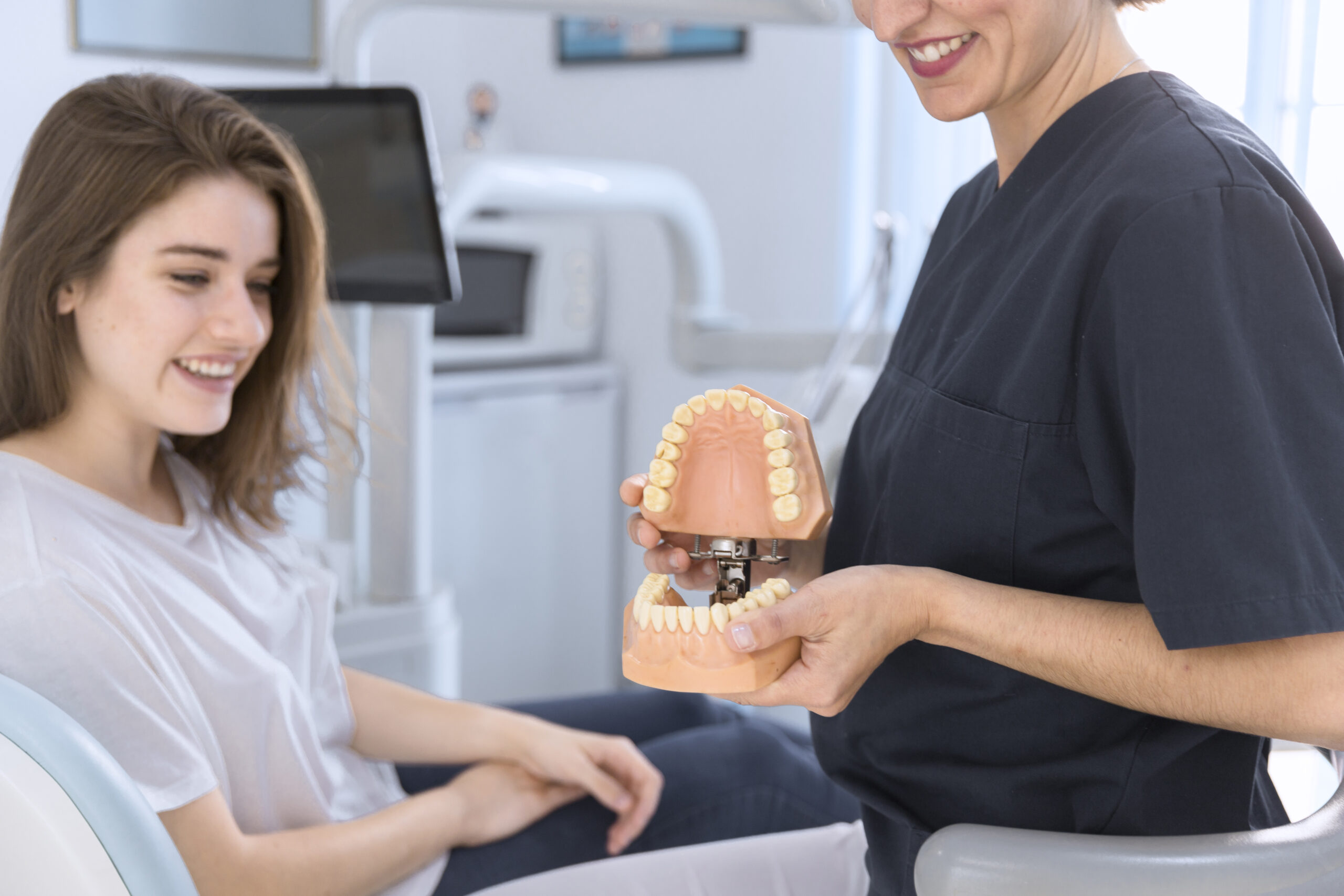
Losing a tooth changes more than just your smile. It affects the way you chew, speak, laugh, and even how confident you feel in social situations. Many people delay treatment because they assume a missing tooth is only a cosmetic issue. The reality is very different. A missing tooth can gradually cause nearby teeth to shift, increase bone loss in the jaw, and create long-term oral health problems. That is why dentists often recommend replacing a missing tooth as soon as possible.
Modern dentistry offers two highly effective solutions: dental implants and dental bridges. Both restore appearance and function, but they work in completely different ways. One option replaces the tooth root itself, while the other relies on surrounding teeth for support. Choosing between them depends on your budget, oral health, bone condition, long-term goals, and lifestyle expectations. Patients searching for professional tooth replacement solutions can also explore DentalFit Clinic for advanced restorative dentistry treatments.
Why Replacing a Missing Tooth Matters
Many people believe they can live comfortably with one missing tooth, especially if it is not visible while smiling. That assumption often leads to delayed treatment, and unfortunately, delayed treatment can create a chain reaction inside the mouth. Teeth behave like a carefully aligned team. Once one member disappears, the surrounding teeth begin shifting into the empty space. This movement affects bite alignment, chewing pressure, and even jaw comfort. Over time, patients may develop headaches, jaw pain, uneven wear, and additional tooth damage.
The jawbone also begins shrinking after tooth loss because the tooth root no longer stimulates the bone during chewing. Think of the jawbone like a muscle. Without regular use, it gradually weakens and shrinks. Studies in restorative dentistry show that bone loss can begin within the first year after losing a tooth. Dental professionals consistently emphasize early intervention because preserving bone structure makes future treatments easier and more successful.
Understanding Dental Implants
How Dental Implants Work
A dental implant is essentially an artificial tooth root made from biocompatible titanium. The implant is surgically placed into the jawbone, where it gradually fuses with the bone through a process called osseointegration. Once healing is complete, a custom-made crown is attached to the implant, creating a replacement tooth that looks and functions naturally.
What makes implants remarkable is their ability to mimic the natural tooth structure almost perfectly. Traditional tooth replacements focus mainly on the visible portion of the tooth. Dental implants replace both the root and crown, which is why they provide superior stability and chewing power. Patients often say implants feel so natural that they eventually forget which tooth was replaced.
Modern implant dentistry has advanced significantly in recent years. Digital scans, guided implant surgery, and improved materials have made procedures safer and more predictable. According to dental research and clinical reports, dental implants have success rates above 95% when properly maintained. This makes them one of the most reliable restorative treatments available today.
Another major advantage is bone preservation. Because implants stimulate the jawbone during chewing, they help maintain bone density and facial structure. Without stimulation, the jawbone gradually shrinks, which can create a sunken facial appearance over time. Implants help prevent this issue, making them valuable not only for oral health but also for facial aesthetics.
Types of Dental Implants
Single Tooth Implants
Single tooth implants are commonly used when only one tooth is missing. A single titanium post supports one custom crown without affecting neighboring teeth. This option is highly conservative because adjacent healthy teeth remain untouched.
Full Mouth Implant Solutions
Patients missing several teeth may choose implant-supported bridges or full-arch systems like All-on-4 implants. These solutions restore full chewing ability while providing excellent stability compared to removable dentures.
Understanding Dental Bridges
How Dental Bridges Replace Missing Teeth
A dental bridge fills the gap left by a missing tooth using an artificial tooth called a pontic. The pontic is supported by crowns placed on neighboring teeth. Imagine a literal bridge spanning across a river. The artificial tooth sits in the middle while surrounding teeth act as support pillars.
Dental bridges have been used successfully for decades and remain popular because they are generally more affordable and faster to complete than implants. Most bridge procedures can be finished within two to three dental visits, making them attractive for patients who want quicker results.
One important consideration is that the supporting teeth must usually be reshaped to accommodate crowns. Even healthy teeth often require enamel removal so the crowns fit correctly. This process permanently alters adjacent teeth, which is one reason many dentists prefer implants when possible.
Bridges can restore appearance effectively, but they do not replace the tooth root. Because of this, the jawbone underneath the missing tooth may continue shrinking over time. While bridges improve function and aesthetics, they do not provide the same bone-preserving benefits as implants.
Types of Dental Bridges Available
Dentists may recommend different types of bridges depending on the patient’s oral condition:
| Bridge Type | Description | Best For |
| Traditional Bridge | Supported by crowns on both sides | Single missing tooth |
| Cantilever Bridge | Supported on one side only | Areas with low chewing pressure |
| Maryland Bridge | Uses metal or porcelain wings | Front teeth replacement |
| Implant-Supported Bridge | Supported by implants instead of teeth | Multiple missing teeth |
Dental Implant vs Dental Bridge Comparison
Appearance and Natural Feel
Both implants and bridges can create attractive smiles, but implants generally feel more natural. Because implants integrate directly with the jawbone, they function similarly to natural teeth. Patients can bite, chew, and speak comfortably without worrying about movement or instability.
Bridges also look realistic, especially when made with high-quality ceramic materials. However, some patients notice slight differences in chewing pressure or flossing routines. Over time, bridges may feel less stable if supporting teeth weaken.
A dental implant also creates a more seamless gum appearance because it emerges directly from the gumline like a natural tooth. This subtle detail significantly improves aesthetics, especially in visible front teeth.
Durability and Lifespan
Dental implants are widely considered the gold standard for long-term durability. With proper care, implants can last 20 years or even a lifetime. The crown attached to the implant may eventually need replacement, but the implant post itself often remains stable for decades.
Dental bridges generally last between 10 and 15 years depending on oral hygiene and biting forces. Supporting teeth may develop decay or gum disease over time, which can compromise the bridge structure.
Here is a simple comparison:
| Feature | Dental Implant | Dental Bridge |
| Lifespan | 20+ years | 10–15 years |
| Bone Preservation | Yes | No |
| Affects Neighbor Teeth | No | Yes |
| Procedure Time | Longer | Faster |
| Stability | Excellent | Good |
| Maintenance | Similar to natural teeth | Requires special flossing |
Cost Comparison
Cost is one of the biggest deciding factors for patients. Dental implants usually require a higher initial investment because they involve surgery, implant materials, and multiple appointments. Bridges typically cost less upfront, making them more accessible for some patients.
However, long-term costs tell a different story. Because bridges may require replacement sooner and can contribute to issues in supporting teeth, maintenance expenses can increase over time. Implants often become more cost-effective in the long run due to their durability and lower replacement frequency.
Choosing based only on price can sometimes lead to future regret. Many patients who initially selected bridges later switch to implants after experiencing repeated dental problems.
Procedure and Recovery Time
Bridge procedures are generally faster. Most patients complete treatment within a few weeks. Implants require several months because the jawbone needs time to heal and integrate with the implant.
That healing period often discourages some patients, but it plays a critical role in implant stability. Think of it like building a house foundation. The process takes longer, but the final structure becomes far more secure.
Recovery after implant surgery usually involves mild swelling and discomfort for a few days. Most patients return to normal activities quickly with proper aftercare.
Which Option Is Better for Long-Term Oral Health?
Jawbone Preservation
One of the strongest advantages of dental implants is their ability to preserve jawbone structure. Every time you chew, the implant stimulates the bone just like a natural tooth root. This keeps the jaw healthy and prevents the shrinking effect commonly seen after tooth loss.
Dental bridges cannot provide this stimulation because they sit above the gumline without interacting with the bone underneath. Over time, bone deterioration may create changes in facial appearance and gum contours.
Dentists often compare implants to replacing the foundation of a building instead of simply covering the surface problem. That deeper structural support creates healthier long-term outcomes.
Impact on Neighboring Teeth
Dental bridges rely on neighboring teeth for support, which places additional pressure on them. These supporting teeth may eventually become more vulnerable to fracture, decay, or root canal treatment.
According to the Clinic Root Canal Guide, symptoms such as lingering sensitivity, severe pain during chewing, swollen gums, or darkened tooth color can indicate infection inside the tooth pulp. Implants avoid this issue because they stand independently without depending on adjacent teeth. This preservation of healthy tooth structure is one reason many restorative dentists recommend implants whenever suitable.
When a Root Canal May Be Needed Before Tooth Replacement
Common Symptoms You Should Never Ignore
Before replacing a tooth, dentists must first eliminate any active infection or damage. Some patients considering implants or bridges actually need a root canal or extraction first. Ignoring warning signs can lead to worsening pain, bone infection, or treatment failure.
Common symptoms include:
- Persistent tooth pain
- Lingering sensitivity to hot or cold
- Swollen or tender gums
- Gum pimples or abscesses
- Darkening tooth color
- Pain when chewing
- Broken or cracked teeth
Interestingly, many patients delay dental care because they fear root canals. Modern dentistry has dramatically improved comfort during treatment. Most patients describe root canals today as similar to getting a standard filling. The bigger danger comes from postponing treatment until the infection worsens.
How to Choose the Right Tooth Replacement Option
Best Option for Young Adults
Younger patients often benefit more from implants because they provide long-term durability and preserve bone health for decades. Since younger individuals typically have stronger jawbone density, implant success rates are very high.
Implants also protect neighboring healthy teeth, which is especially important for younger patients expected to maintain oral health over a lifetime. While the initial cost may feel high, the long-term benefits frequently outweigh the expense.
Best Option for Older Patients
Older adults may still be excellent implant candidates, especially with modern bone grafting techniques. However, bridges can sometimes be preferable if patients have medical conditions affecting healing or if they want a faster, less invasive treatment.
Ultimately, the best choice depends on several factors:
- Bone density
- Gum health
- Budget
- Medical history
- Number of missing teeth
- Long-term expectations
The ideal approach is a personalized dental evaluation rather than choosing based solely on online opinions.
Conclusion
Choosing between a dental implant and a dental bridge is not simply about replacing a tooth. It is about protecting your long-term oral health, preserving confidence, and maintaining comfort in daily life. Dental implants provide exceptional durability, jawbone preservation, and natural function, making them the preferred long-term solution for many patients. Dental bridges remain an effective and faster option, especially for individuals seeking lower upfront costs or less invasive treatment.
Patients looking for professional restorative dentistry and personalized tooth replacement options can visit DentalFit Clinic to learn more about modern dental treatments.
FAQs
1. Are dental implants painful?
Most patients report only mild discomfort during and after implant surgery because local anesthesia is used. Recovery is usually manageable with prescribed medications and proper care.
2. How long does a dental bridge last?
A dental bridge typically lasts 10 to 15 years with good oral hygiene and regular dental checkups.
3. Can anyone get dental implants?
Most healthy adults qualify for implants, but sufficient jawbone density and healthy gums are important. Some patients may require bone grafting before treatment.
4. Which option looks more natural?
Dental implants usually provide the most natural appearance because they emerge directly from the gumline like real teeth.