
A bright smile is often seen as a sign of confidence, health, and good hygiene. But here’s the thing most people forget: brushing twice a day is only one part of the story. Even the most careful brushing routine cannot completely remove hardened tartar and deep plaque hiding around the gum line. That’s where professional teeth cleaning becomes essential. Dental experts and organizations like the American Dental Association recommend regular dental cleanings because they help prevent cavities, gum disease, tooth loss, and even expensive future dental procedures.
Many people wait until they experience pain before visiting a dentist. Unfortunately, dental problems rarely announce themselves early. Gum disease can quietly damage tissues for months, while cavities grow beneath the surface without noticeable symptoms. Professional cleanings work like preventive maintenance for your mouth. Think of it like servicing your car before the engine fails. Ignoring it may save time today, but it often leads to bigger repair bills tomorrow.
For most people, dentists recommend a cleaning every six months. However, that recommendation is not universal. Some individuals may need more frequent cleanings every three or four months depending on their oral health, lifestyle habits, and medical conditions. Understanding the right schedule for your specific needs can help you avoid major dental complications later.
Why Professional Teeth Cleaning Matters More Than You Think
People often assume that if they brush and floss daily, they can skip dental cleanings. That sounds reasonable on paper, but the mouth is more complicated than it seems. Tiny food particles and bacteria hide in hard-to-reach corners between teeth and beneath the gum line. Over time, this sticky layer called plaque hardens into tartar. Once tartar forms, no toothbrush or mouthwash can remove it. Only professional dental tools can clean it properly. According to the ADA, professional cleanings are a critical part of preventing gum disease and tooth decay.
The difference between home care and professional cleaning is like sweeping your floor versus deep-cleaning your entire house. Daily brushing handles surface-level cleanliness, while dental cleaning removes stubborn deposits that silently damage your teeth. Dentists and hygienists also check for early signs of oral cancer, cavities, enamel erosion, gum inflammation, and infections during routine visits. Catching these issues early can save thousands in future dental costs.
Another major benefit is gum protection. Gum disease often begins painlessly with mild inflammation called gingivitis. Many people ignore early symptoms such as bleeding gums because they seem harmless. But untreated gingivitis can develop into periodontitis, a serious infection that damages bone and leads to tooth loss. Professional cleanings help interrupt this process before it becomes severe. Regular visits are not only about appearance; they are about protecting the long-term foundation of your oral health.
What Happens During a Professional Teeth Cleaning Appointment
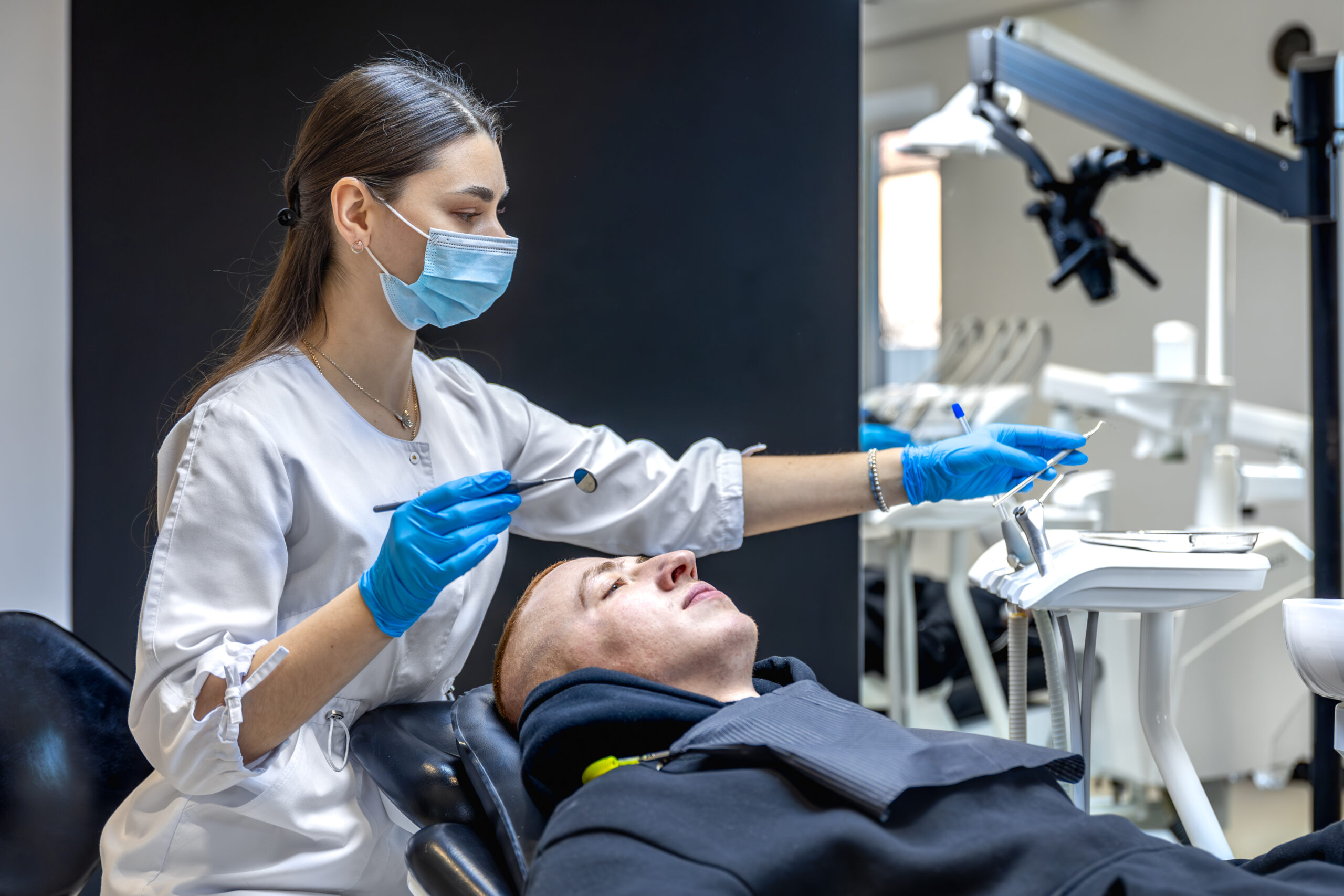
A lot of patients feel nervous before a dental cleaning because they imagine discomfort or painful scraping. In reality, modern dental cleaning procedures are usually quick, safe, and far less uncomfortable than dealing with untreated dental disease. A standard appointment often takes less than an hour and includes several important steps designed to protect your teeth and gums.
The first step is scaling. During scaling, the dental hygienist uses specialized instruments to remove plaque and hardened tartar from the teeth and along the gum line. This part is extremely important because tartar acts like a fortress for bacteria. Once bacteria settle under the gums, they can trigger inflammation and infection. Scaling clears away those hidden threats before they grow into serious issues.
After scaling comes polishing. Your teeth are polished using a gritty toothpaste-like material that smooths the tooth surface and removes stains caused by tea, coffee, smoking, or food. Smooth teeth are less likely to attract plaque buildup afterward. Some clinics may also apply fluoride treatment to strengthen enamel and reduce the risk of cavities.
During the visit, dentists may also examine your gums, check bite alignment, inspect old fillings, and sometimes take X-rays if needed. These small evaluations often reveal problems before symptoms appear. Many patients are surprised when dentists discover tiny cavities they never noticed. That early detection can mean the difference between a simple filling and a future root canal.
The Standard Recommendation: Every Six Months
The phrase “visit the dentist every six months” has been repeated for decades, and there’s a good reason behind it. Most dental professionals believe six months is the ideal balance between prevention and practicality for average healthy adults. It gives enough time for plaque buildup to occur but not enough time for serious damage to develop.
Research shows that many dental problems progress gradually. Cavities often begin as tiny weak spots in enamel, while gum disease develops slowly beneath the gums. By seeing a dentist twice yearly, patients can catch these issues while they are still minor and affordable to treat. Regular cleanings also help reduce staining, improve breath freshness, and maintain overall oral hygiene.
Still, the six-month rule is not a one-size-fits-all formula. Some studies suggest cleaning frequency should depend on personal risk factors rather than a fixed calendar schedule. A person with excellent oral hygiene and low cavity risk may do well with yearly visits, while someone prone to gum disease may need cleanings every three months.
Dentists evaluate several factors when deciding the ideal cleaning schedule. These include smoking habits, medical history, diet, genetics, previous cavities, and gum condition. Patients with healthy gums and low plaque accumulation might require fewer visits, but skipping regular checkups entirely is risky. Oral health problems can remain invisible until they become advanced and painful.
Who Needs Teeth Cleaning More Often Than Every Six Months
Not everyone’s mouth behaves the same way. Some people naturally build tartar faster, while others face medical or lifestyle conditions that increase oral health risks. For these individuals, more frequent cleanings are not optional luxuries. They are preventive necessities that help avoid serious complications.
Smokers and Tobacco Users
Smoking affects blood flow in the gums and weakens the body’s ability to fight infection. Tobacco users are significantly more likely to develop gum disease, tooth staining, bad breath, and oral infections. Because smoking encourages tartar buildup and bacterial growth, dentists often recommend cleanings every three to four months for smokers.
People With Diabetes or Gum Disease
Diabetes and oral health are closely connected. High blood sugar levels can increase inflammation and make gum infections harder to control. At the same time, severe gum disease can negatively affect blood sugar management. Patients with diabetes frequently benefit from more regular professional cleanings because they face a higher risk of periodontal disease.
Patients already diagnosed with gingivitis or periodontitis also require closer monitoring. Deep pockets around the gums collect bacteria quickly, making infections more likely. Frequent cleanings help reduce bacterial buildup and slow disease progression.
Patients With Braces, Implants, or Crowns
Braces create countless tiny spaces where food particles become trapped. Even careful brushing may not fully clean around wires and brackets. Dental implants and crowns also require careful maintenance because bacteria around these restorations can lead to infections or implant failure. Regular cleanings ensure these dental investments stay healthy and functional for years.
Signs You Should Schedule a Dental Cleaning Immediately
Sometimes your mouth sends warning signals that should never be ignored. Waiting for pain before seeing a dentist is like waiting for smoke before checking if your house is on fire. Many dental conditions worsen quietly, and by the time discomfort appears, the damage may already be significant.
Bleeding gums are one of the most common early signs of gum disease. Healthy gums should not bleed while brushing or flossing. If you notice blood regularly, it usually indicates inflammation caused by plaque buildup. Persistent bad breath is another red flag. Chronic bad breath often results from bacteria trapped under the gums or between teeth.
Tooth sensitivity can also signal deeper problems. Sensitivity to hot or cold foods may indicate enamel erosion, cavities, or gum recession exposing tooth roots. Visible tartar buildup near the gums is another reason to book an appointment quickly. Tartar appears yellow or brown and cannot be removed with regular brushing.
Loose teeth, swollen gums, mouth sores, or pain while chewing should also be evaluated immediately. Early professional intervention can prevent these problems from escalating into extractions, surgeries, or expensive restorative procedures.
Risks of Skipping Professional Dental Cleanings
Skipping dental cleanings might seem harmless when your teeth feel fine, but oral disease doesn’t always announce itself loudly. Plaque bacteria continue working silently every single day. Over time, this bacterial activity damages enamel, irritates gums, and weakens supporting bone structures. The result can be devastating both physically and financially.
One of the biggest risks is periodontal disease. Advanced gum disease destroys the tissues and bone holding teeth in place. Tooth loss caused by gum disease is incredibly common among adults worldwide. The frightening part is that many patients don’t realize how serious the condition is until teeth begin loosening.
Ignoring cleanings also increases the risk of cavities. Tiny untreated cavities can eventually infect the inner tooth pulp, leading to severe pain and root canal treatments. A simple cleaning and early filling cost far less than advanced restorative procedures later.
There’s also the issue of overall health. Studies continue to explore connections between oral bacteria and systemic conditions such as heart disease, diabetes complications, and respiratory infections. While brushing at home remains essential, professional cleanings play a major role in reducing harmful bacterial buildup inside the mouth.
How Professional Teeth Cleaning Protects Overall Health
Most people think dental cleanings only affect the mouth, but oral health influences the entire body more than many realize. Your mouth acts as a gateway to your system. Harmful bacteria from infected gums can enter the bloodstream and contribute to inflammation elsewhere in the body.
Researchers have found links between gum disease and conditions such as cardiovascular disease, diabetes complications, and respiratory infections. Chronic inflammation inside the mouth may increase overall inflammatory stress throughout the body. That’s why dentists increasingly view oral health as part of complete wellness rather than a separate issue.
Pregnant women with gum disease may also face higher risks of pregnancy complications. Older adults with poor oral hygiene sometimes experience worsening health outcomes because bacteria can travel into the lungs or bloodstream. Regular professional cleanings help reduce these bacterial populations and support overall health maintenance.
Mental and social health matter too. Fresh breath, cleaner teeth, and a confident smile can improve self-esteem and communication. Many patients report feeling more motivated to maintain healthy habits after professional cleanings because their mouths feel noticeably fresher and cleaner afterward.
Tips to Keep Your Teeth Cleaner Between Dental Visits
Professional cleanings are essential, but daily habits determine how quickly plaque returns. Think of dental cleanings as resetting the clock while home care controls how fast it ticks again. Maintaining good oral hygiene between appointments can reduce the risk of cavities, gum disease, and frequent dental emergencies.
The ADA recommends brushing twice daily for two minutes using fluoride toothpaste and a soft-bristled toothbrush. Flossing once a day is equally important because toothbrushes cannot fully clean between teeth. Interdental brushes or water flossers may also help people with braces or dental implants.
Diet plays a surprisingly big role too. Sugary snacks and acidic drinks feed harmful bacteria that produce enamel-damaging acids. Limiting soda, sticky candies, and excessive snacking can significantly reduce cavity risk. Drinking water regularly helps wash away food particles and bacteria.
Here’s a simple table showing effective oral hygiene habits:
| Habit | Recommended Frequency | Benefit |
| Brushing | Twice daily | Removes plaque and bacteria |
| Flossing | Once daily | Cleans between teeth |
| Mouthwash | Daily | Reduces bacterial growth |
| Professional Cleaning | Every 6 months or as advised | Removes tartar buildup |
| Toothbrush Replacement | Every 3-4 months | Maintains cleaning efficiency |
Replacing your toothbrush every three to four months is also important because worn bristles clean less effectively. Small habits repeated consistently often matter more than occasional intense cleaning efforts.
Choosing the Right Dental Clinic for Regular Cleanings
Finding the right dental clinic can make a huge difference in your oral health journey. Many people delay cleanings because of fear, discomfort, or previous negative experiences. A good dental clinic focuses not only on treatment but also on patient comfort, education, and long-term prevention.
Look for clinics that emphasize preventive care rather than only emergency procedures. Modern dental practices use advanced equipment, digital imaging, and gentle cleaning techniques that improve both comfort and accuracy. Reading patient reviews and checking professional credentials can also help you choose a trustworthy clinic.
It’s also helpful to find a clinic that creates personalized treatment plans. Since cleaning frequency varies from person to person, dentists should evaluate your specific needs instead of applying a generic schedule. Patients with gum disease, diabetes, or orthodontic appliances may require customized preventive strategies.
If you are looking for professional dental care and preventive cleanings, Dental Fit Clinic offers comprehensive dental services designed to support long-term oral health. Regular consultations with experienced dental professionals can help identify small issues before they become painful or expensive.
Conclusion
Professional teeth cleaning is one of the simplest yet most powerful ways to protect your oral health. While brushing and flossing at home remain essential, they cannot completely eliminate tartar and hidden bacterial buildup. Routine professional cleanings help prevent cavities, gum disease, bad breath, tooth loss, and costly dental procedures later.
For most people, dental experts recommend scheduling a cleaning every six months. However, factors such as smoking, diabetes, gum disease, braces, and previous dental history may require more frequent visits. The smartest approach is not following a random schedule but working with your dentist to determine the ideal cleaning interval for your needs.
Your teeth are meant to last a lifetime. Investing a little time in preventive dental care today can save you from pain, stress, and major treatment costs tomorrow. Regular cleanings are not just cosmetic appointments. They are long-term protection for your smile, your confidence, and your overall health.
FAQs
1. Is professional teeth cleaning painful?
Most routine cleanings are not painful. Some patients may feel mild sensitivity or pressure during tartar removal, especially if there is significant buildup or gum inflammation.
2. Can teeth cleaning whiten teeth?
Professional cleanings remove surface stains caused by coffee, tea, smoking, and food. While they improve brightness, they are different from professional whitening treatments.
3. How long does a dental cleaning appointment take?
A standard cleaning usually takes between 30 minutes and one hour depending on plaque buildup and gum condition.
4. What happens if I never get professional teeth cleanings?
Skipping cleanings increases the risk of cavities, gum disease, tooth loss, bad breath, and expensive dental procedures such as root canals or extractions.